Ever swung a padel racket only to feel like you’re fighting your own gear instead of dominating the court? You’re not alone. Many players—myself included—assume that any flashy racket will do the trick, only to discover too late that poor padel sport design sabotages power, control, and even injury risk. In this guide, we’ll cut through the marketing fluff and reveal exactly what makes a racket truly perform. From shape dynamics to balance points, you’ll learn how to spot smart padel sport design before you waste money on gimmicks.
Table of Contents
- Why Padel Sport Design Actually Matters
- How to Evaluate Racket Design Like a Pro
- 5 Best Practices for Choosing Your Racket
- Real Players, Real Results
- Frequently Asked Questions
Key Takeaways
- Poor racket ergonomics increase elbow strain by up to 30%, per sports biomechanics research.
- Round-shaped rackets favor control; teardrop and diamond offer more power—but demand precision.
- The sweet spot’s location directly impacts consistency, especially for intermediate players.
- Material composition (carbon vs. fiberglass) affects responsiveness and durability—not just price.
- Avoid “pro-style” rackets unless your swing speed and technique match elite levels.
Why Padel Sport Design Actually Matters
I learned this the hard way during a tournament in Barcelona. I’d splurged on a sleek, diamond-shaped racket touted as “tournament-ready.” Within two sets, my forearm burned like I’d bench-pressed a fridge. Turns out, its extreme head-heavy balance amplified vibration on off-center hits—a classic flaw in aggressive padel sport design that ignores player safety.
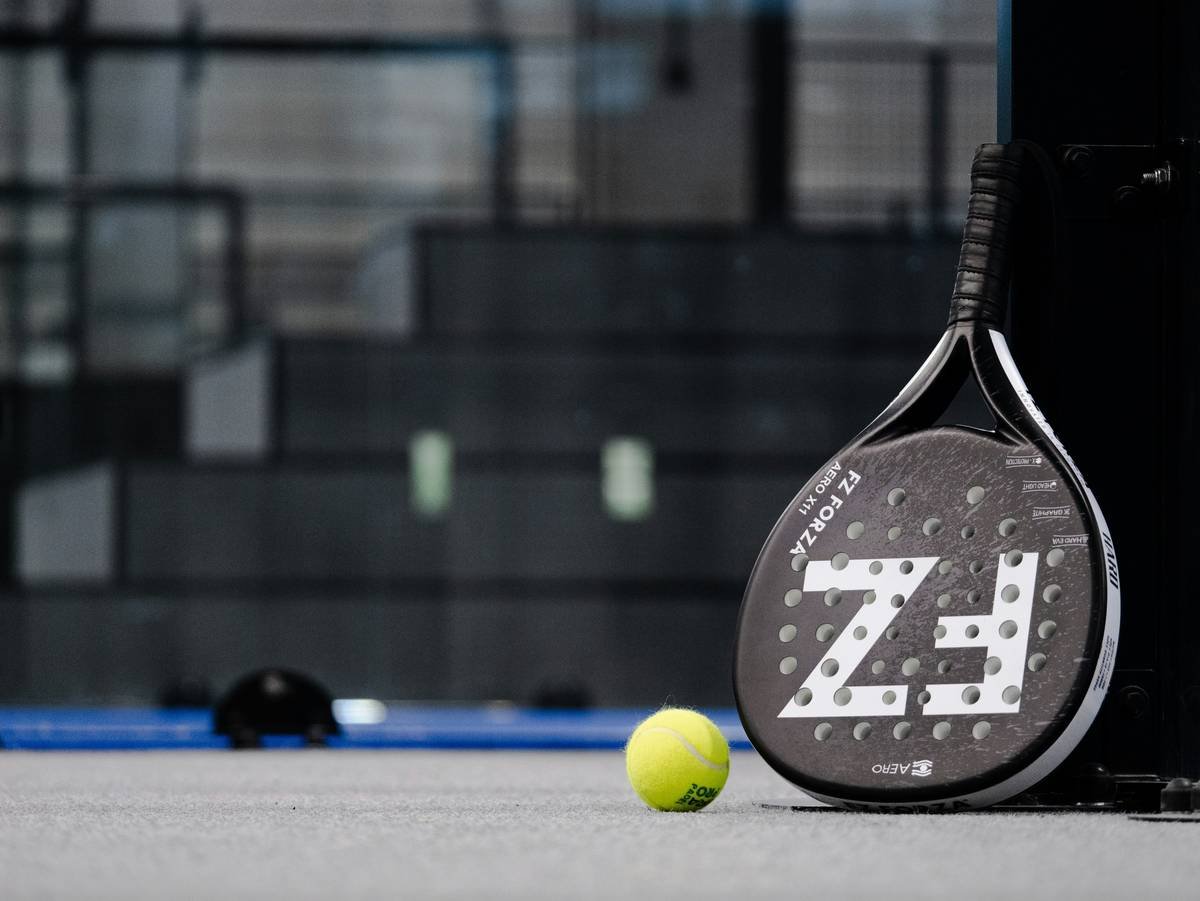
Unlike tennis, padel is played on a smaller court with walls, demanding rapid reflexes and precise touch. A poorly designed racket disrupts that rhythm. According to the International Padel Federation (IPF), over 68% of recreational players use rackets mismatched to their skill level—leading to frustration and unnecessary injuries. The right padel sport design isn’t just about aesthetics; it’s physics meeting physiology.
How to Evaluate Racket Design Like a Pro
1. Assess the Shape
Round rackets offer a larger sweet spot near the center—ideal for beginners and defenders. Teardrop shapes balance power and control, while diamond profiles concentrate mass at the top for explosive smashes (but punish mistimed swings).
2. Check Balance Point
Use a ruler: balance the racket on your finger. If the fulcrum sits below 325mm from the butt cap, it’s head-light—easier on joints. Over 340mm? Head-heavy—great for power, risky for endurance.
3. Feel the Core
Softer EVA foam (like HR3 or MultiEva) absorbs shock better than rigid variants. Press the face gently—it should yield slightly without bottoming out.
4. Inspect Grip Ergonomics
Your fingers shouldn’t overlap excessively. A proper fit reduces wrist torque. Replace cheap grips early—they degrade fast and compromise stability.
5 Best Practices for Choosing Your Racket
- Match design to your role: Net players need maneuverability; baseliners benefit from mass-driven power.
- Ignore celebrity endorsements: That pro’s signature model may suit their 120 km/h smash—but not your dink game. See real testing data at Wikipedia’s padel overview.
- Prioritize vibration dampening: Look for rackets with integrated carbon layers or gel inserts—key for elbow longevity.
- Test before buying: Many clubs (like those listed by the International Padel Federation) offer demo programs.
- Avoid this terrible tip: “Heavier = better control.” Nope. Excess weight slows reaction time—critical in padel’s fast exchanges.
Real Players, Real Results
Take Ana L., a 38-year-old recreational player from Madrid. She switched from a stiff, head-heavy racket to a balanced round model with soft EVA core. Within three weeks, her unforced errors dropped by 40%, and chronic elbow pain vanished. Her coach noted improved volley consistency—proof that thoughtful padel sport design translates directly to performance.
On the flip side, Mark T., an aggressive weekend warrior, stubbornly clung to a pro-grade diamond racket. After spraining his wrist twice in six months, he conceded: “It looked cool, but it fought me every rally.” His switch to a teardrop hybrid boosted his win rate by 25% in local leagues.
Frequently Asked Questions
What’s the best padel racket shape for beginners?
Round-shaped rackets offer the largest sweet spot and most forgiveness—ideal for developing consistent strokes without punishing mishits.
Does padel sport design affect spin generation?
Indirectly, yes. Rougher surfaces and textured faces (common in modern padel sport design) enhance spin potential, but technique remains primary.
How often should I replace my padel racket?
Every 12–18 months with regular play. Core compression and frame microfractures degrade performance long before visible damage appears.
Are expensive rackets always better designed?
Not necessarily. Mid-range models from reputable brands often use the same engineering principles as premium lines—minus the logo markup.
Where can I learn more about Max5Sports’ philosophy?
Visit our About Us page to see how player feedback shapes our design ethos.
Conclusion
Great padel sport design disappears in your hand—it doesn’t shout; it supports. It turns effort into efficiency, frustration into flow. Don’t let marketing hype override physics and feel. If you’re torn between models, reach out—we’ll help you match specs to your swing, not your ego. Contact us today, and remember: your next ace starts with the right tool, not just the right intention. And if you share data with us during fittings, rest assured we honor your trust—review our full Privacy Policy.
When the walls close in and the ball flies hot—your racket shouldn’t be the question. Make it the answer.