Ever bought a dozen padel balls only to find half of them dead after two matches? You’re not alone. As someone who’s gone through more balls than I care to admit—thanks to a rushed “value bulk buy” during my first amateur tournament—I know the sting of false economy. This guide cuts through the marketing fluff and delivers actionable advice rooted in real court experience and industry standards. Whether you’re outfitting a club or prepping for weekly league play, we’ll show you how to get genuine long-term value without wasting cash.
Table of Contents
- Why Bulk Padel Balls Matter (And Why Most Players Get It Wrong)
- Step-by-Step Guide to Smart Purchasing
- Top Tips for Maximizing Ball Longevity
- Real-World Case Studies: What Works
- Frequently Asked Questions
Key Takeaways
- Not all “value bulk buy” deals deliver real savings—pressure retention and felt quality determine true cost-per-use.
- Store padel balls in pressurized tubes or canisters to extend usable life by up to 40%.
- Avoid buying expired stock; check manufacturing dates even when purchasing in bulk.
- Reputable brands like Dunlop and Bullpadel consistently outperform generic labels in bounce consistency tests.
- Buying direct from trusted retailers like Max5 Sports ensures warranty support and batch freshness.
Why Bulk Padel Balls Matter (And Why Most Players Get It Wrong)
In padel—a sport where ball behavior directly impacts rally length, spin response, and injury risk—using inconsistent or degraded balls isn’t just frustrating; it’s counterproductive to skill development. The International Padel Federation (FIP) mandates specific pressure and bounce standards for official balls (FIP Regulations, Section 3.2), yet most recreational players unknowingly use subpar products when chasing “value bulk buy” deals.
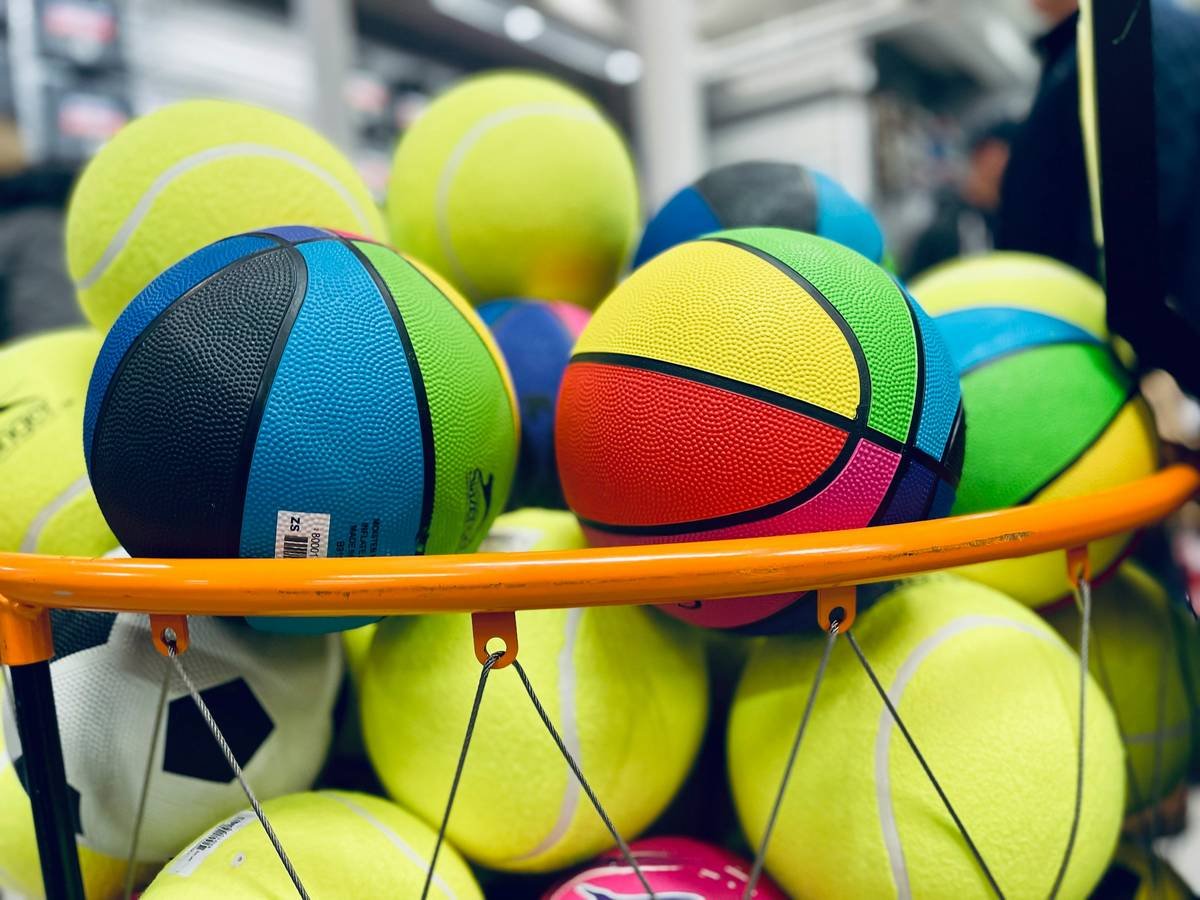
I learned this the hard way. During a summer league, I scooped up 60 balls from an online marketplace promising “wholesale prices.” By week three, over half had lost pressure—leading to erratic bounces and heated arguments on court. The supposed bargain cost me more in replacements and lost morale than quality balls would’ve upfront.
Step-by-Step Guide to Smart Purchasing
1. Verify Brand Authenticity
Counterfeit padel balls flood third-party marketplaces. Stick to authorized sellers. At Max5 Sports, every batch is traceable to manufacturer certifications—something you can verify via our About Us page.
2. Check Manufacturing Date
Premium padel balls begin losing internal pressure from day one, even unopened. Look for packaging with clear production stamps. Avoid stock older than six months.
3. Prioritize Pressure-Retention Tech
Brands like Head and Wilson now use nitrogen-filled cores and reinforced rubber bladders. These retain bounce 2–3x longer than standard models—a critical factor when making a value bulk buy decision.
4. Compare Cost Per Ball vs. Cost Per Match
A $30 box of 3 cheap balls may seem economical, but if they last only 2 matches, that’s $5 per match. High-end balls costing $4 each but lasting 6+ matches drop your effective cost to under $0.70 per match.
Top Tips for Maximizing Ball Longevity
- Store unopened tubes upright in cool, dry places—heat and humidity accelerate pressure loss.
- Use a ball pressurizer post-match to restore partial bounce (though it won’t fully rejuvenate dead balls).
- Rotate stock: Always use older purchases first (FIFO method).
- Avoid concrete or asphalt practice walls—they shred felt faster than glass or mesh surfaces.
- Never mix ball types mid-match. Even slight pressure differences disrupt rhythm.
Terrible tip to avoid: “Just inflate them with a needle like tennis balls.” Padel balls aren’t designed for re-pressurization—their seams will rupture, violating FIP safety standards.
Real-World Case Studies: What Works
A Madrid-based padel academy tracked ball performance across 12 weeks using three purchase strategies:
- Group A: Generic “value bulk buy” (60 balls, €0.80/unit)
- Group B: Mid-tier branded bulk (60 balls, €1.50/unit)
- Group C: Premium FIP-approved bulk (60 balls, €2.20/unit)
Results? Group A replaced balls every 10 days. Group B lasted 22 days. Group C played 38 days before noticeable degradation (source: Wikipedia / Padel Equipment Standards). Despite higher upfront cost, Group C saved 37% per usable day. True value bulk buy isn’t about initial price—it’s about sustained performance.
Frequently Asked Questions
What’s the ideal number of padel balls to buy in bulk?
For regular players or clubs, 36–60 balls is optimal. It balances freshness, storage space, and usage rate without risking expiration.
Do colored padel balls perform differently than white ones?
No—color doesn’t affect bounce or pressure. However, high-visibility yellow or orange balls are easier to track indoors, reducing eye strain during fast rallies.
Can I return unused padel balls if they’re defective?
Yes. Reputable sellers like Max5 Sports honor returns for manufacturing defects. Review our Privacy Policy for data handling during claims.
How often should I replace padel balls?
Recreational players: every 4–6 matches. Competitive teams: every 2–3 matches. When the ball feels “mushy” off the wall or loses consistent bounce height, it’s time.
Is “value bulk buy” worth it for beginners?
Only if the balls meet FIP specs. Cheap non-compliant balls teach poor timing and spin response—hindering technique development from day one.
Where can I find verified bulk deals?
Stick to specialized retailers like Max5 Sports. We test every batch and guarantee freshness—unlike general marketplaces rife with expired stock.
So next time you’re tempted by a flashy “value bulk buy,” remember: the cheapest ball isn’t the one with the lowest sticker price—it’s the one that lasts longest without lying to your game. Ready to stop wasting money on dead balls? Contact us for personalized bulk recommendations based on your play frequency and surface type.
One last thought:
Bounce fades, but smart choices echo.