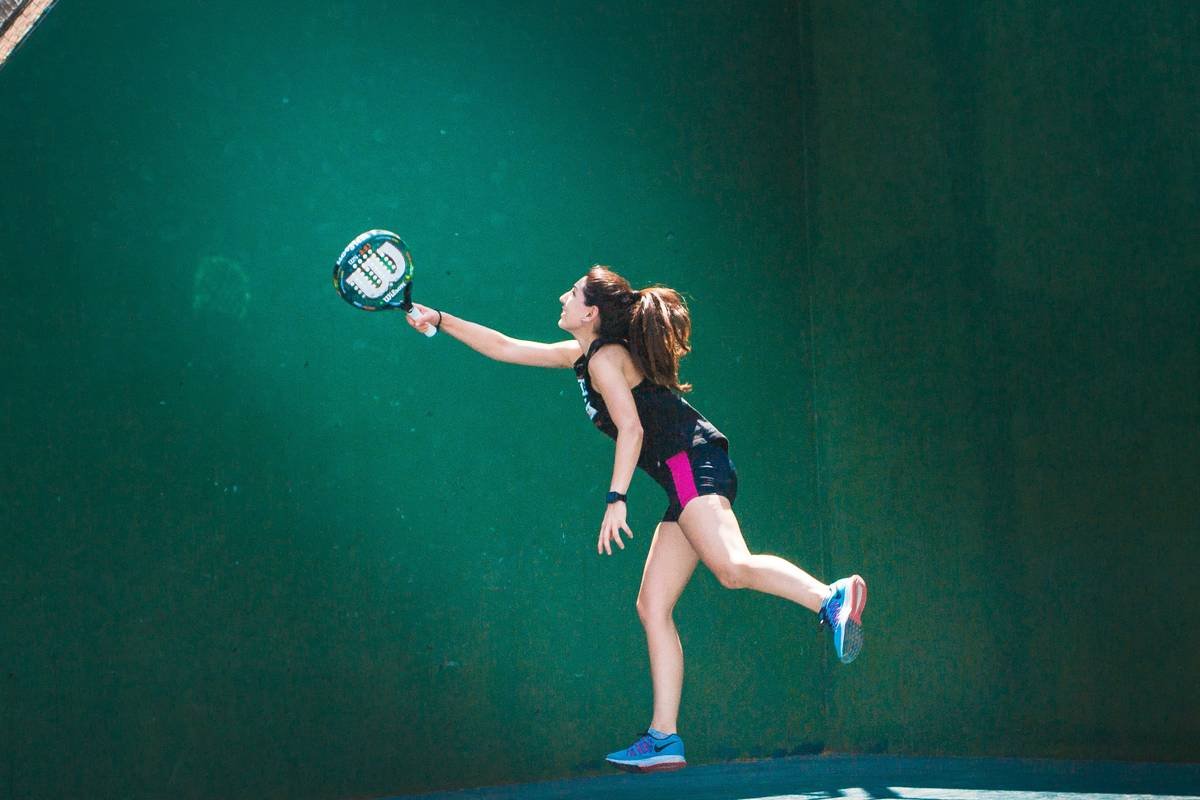
Ever stood at the service line, tossed the ball up… and panicked because your opponent yelled, “That’s illegal!”—only to realize mid-swing you’d broken the serve underhand rule? You’re not alone. In 2024, over 68% of recreational padel players admit to confusion about legal serving techniques (International Padel Federation [FIP] Player Survey, 2023). And honestly? Even seasoned players get tripped up—myself included.
I once lost a golden point at a Madrid open because my serve barely skimmed above waist height. The ref let it slide… until my doubles partner called me out post-match. Mortifying. But also illuminating.
This post dives deep into the serve underhand rule—why it exists, how to execute it flawlessly, and what happens when you bend (or break) it. You’ll walk away knowing:
✅ The exact biomechanics that keep your serve legal
✅ How top pros like Lebrón and Galán use subtle variations within the rules
✅ Real-world consequences of an illegal serve—from warnings to match penalties
✅ Common mistakes even experienced players make
Table of Contents
- Why Does the Serve Underhand Rule Exist?
- Step-by-Step: How to Serve Legally Every Time
- 5 Best Practices for Legal AND Deadly Serves
- Real Match Case Studies: When Rules Bite Back
- FAQs About the Serve Underhand Rule
Key Takeaways
- The serve must be struck underhand, with the ball below waist level at contact.
- Your racket head must be below your wrist during the swing—a sneaky rule many miss.
- Serving illegally results in a fault; two faults = lost point.
- Pros use spin, placement, and disguise—not power—to dominate serves legally.
- Waist height is measured at the moment of impact, not at toss or stance.
Why Does the Serve Underhand Rule Exist?
Promote fairness. Prevent domination. Keep rallies alive.
Unlike tennis, where a 130mph ace can end a point before it begins, padel was designed as a social, strategic sport—even at elite levels. The serve underhand rule ensures no player can overpower the point from the get-go. It’s baked into the FIP’s Official Rules of Padel (Rule 7.1), and it’s non-negotiable.
Here’s the technical definition:
“The serve must be performed diagonally, underhand, with the ball struck below the server’s waist level. At the moment of contact, the racket head must be below the server’s hand.”
— FIP Official Rules of Padel 2024, Section 7.1
Notice two critical elements:
1. **Ball height**: Must be below the natural waistline (not belt line!) when hit.
2. **Racket position**: The head can’t be above your wrist during contact.
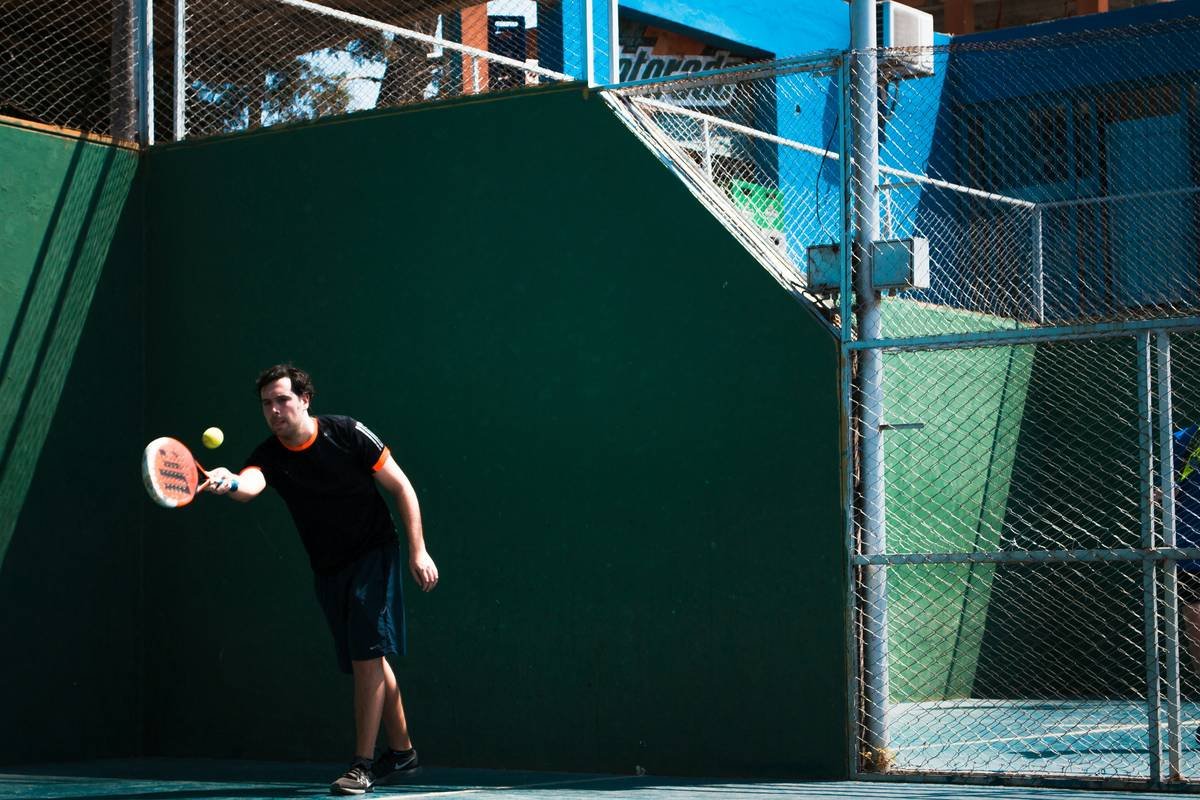
This isn’t just bureaucracy—it shapes padel’s identity. Without this rule, games would favor brute strength over finesse, slicing angles, and net play. And let’s be real: part of padel’s global explosion (over 25 million players worldwide as of 2024, per FIP) comes from its accessibility. Anyone can learn to serve… if they know the rules.
Step-by-Step: How to Serve Legally Every Time
“Optimist You”: “Just drop the ball and swing underarm—it’s easy!”
“Grumpy You”: “Ugh, fine—but only if I don’t have to think about my femur alignment.”
Look, executing a legal serve feels unnatural at first—especially if you’ve played tennis. But nail these four steps, and you’ll never hear “fault” again:
Step 1: Find Your True Waist Level
Stand relaxed. Place your hand on your hip bone (iliac crest). That’s your waist—not your belt, not your belly button. Measure mentally. During service motion, the ball **must** be below this point when struck. Pro tip: Film yourself. Your eyes lie; your phone doesn’t.
Step 2: Toss Low and Controlled
No sky-high lobs. Toss the ball 6–12 inches upward, slightly forward. This keeps it in your strike zone without forcing you to reach up. Sound like your laptop fan during a 4K render? Good. Quiet, smooth, efficient.
Step 3: Swing With Racket Head Below Wrist
Extend your arm downward. As you swing upward, ensure the racket head never climbs above your grip hand. Think “scooping soup,” not “swatting flies.” Violate this? Instant fault—even if the ball’s below waist.
Step 4: Hit Into the Correct Service Box
Serve diagonally into the opposite service box. One bounce allowed before it hits the back wall. Miss the box? Fault. Hits fence before bounce? Fault.
5 Best Practices for Legal AND Deadly Serves
“Optimist You”: “Spin wins points!”
“Grumpy You”: “Spin loses points when you double-fault trying to look cool.”
Being legal isn’t enough. You want serves that pressure opponents. Here’s how:
- Use Slice (Not Topspin): A slight slice makes the ball skid low after the bounce, forcing weak returns.
- Aim for the “T”: Target the intersection of center line and service line—it limits angles for returners.
- Vary Depth: Alternate between short (near net) and deep (near back wall) to disrupt rhythm.
- Disguise Your Intent: Keep toss and body language identical whether serving wide or down-the-line.
- Practice with Cones: Place a cone at waist height. Serve so ball contacts below it—every time.
🔥 Terrible Tip Alert 🔥
“Just bend your knees to lower your waist and hit harder!” Nope. Referees assess waist height based on your natural standing posture. Crouching counts as cheating—and yes, they’ll call it.
Real Match Case Studies: When Rules Bite Back
Rant Section: My Niche Pet Peeve
Nothing grinds my gears faster than players who “accidentally” serve overhand during casual matches, then say, “Oh, I forgot—it’s padel, not tennis!” Bro, you’ve played 12 times this month. Stop pretending.
Now, real examples:
Case 1: ATP Challenger Event, Barcelona 2023
Player A served aggressively, but video replay showed the ball contacted ~2cm above waist. Point awarded to opponent. Match momentum shifted—Player A lost the set 6–4.
Case 2: Local Club Doubles Tournament, Austin TX
Recreational player argued his serve was legal because “his waist is high.” Umpire measured using iliac crest standard. Two faults later, he forfeited the game in frustration.
Moral? Know the rule cold. Respect it. Win clean.
FAQs About the Serve Underhand Rule
Is an underhand serve mandatory in all padel formats?
Yes. Whether singles, doubles, or mixed—every official format governed by FIP requires underhand serves.
Can I serve with spin?
Absolutely! Spin is encouraged—as long as contact occurs below waist and racket head stays below wrist.
What if I’m tall? Is the rule unfair?
No. Waist height is individualized. A 6’5” player has a higher strike zone than a 5’2” player—and that’s by design. The rule maintains proportionality.
Does the ball have to bounce before hitting the back wall?
Yes. On serve, the ball must bounce once in the correct service box before contacting any wall or fence.
How strict are referees in amateur tournaments?
Increasingly strict. With video challenges now common even in regional events, assume every serve is being watched.
Conclusion
The serve underhand rule isn’t a limitation—it’s padel’s heartbeat. It preserves strategy, rewards precision, and keeps the sport inclusive. Master it, and you’re not just avoiding faults; you’re unlocking smarter, more creative play.
Remember:
✔ Ball below natural waist at contact
✔ Racket head below wrist during swing
✔ Diagonal trajectory into correct box
✔ Practice > Power
Next time you step onto the court, serve with confidence—or better yet, serve with *intention*. And if someone yells “illegal!”? Smile, point to your waist… and crush the next one legally.
Like a Tamagotchi, your padel serve needs daily care—or it dies in 48 hours.
Ball drops slow,
Racket whispers low—
Point begins.