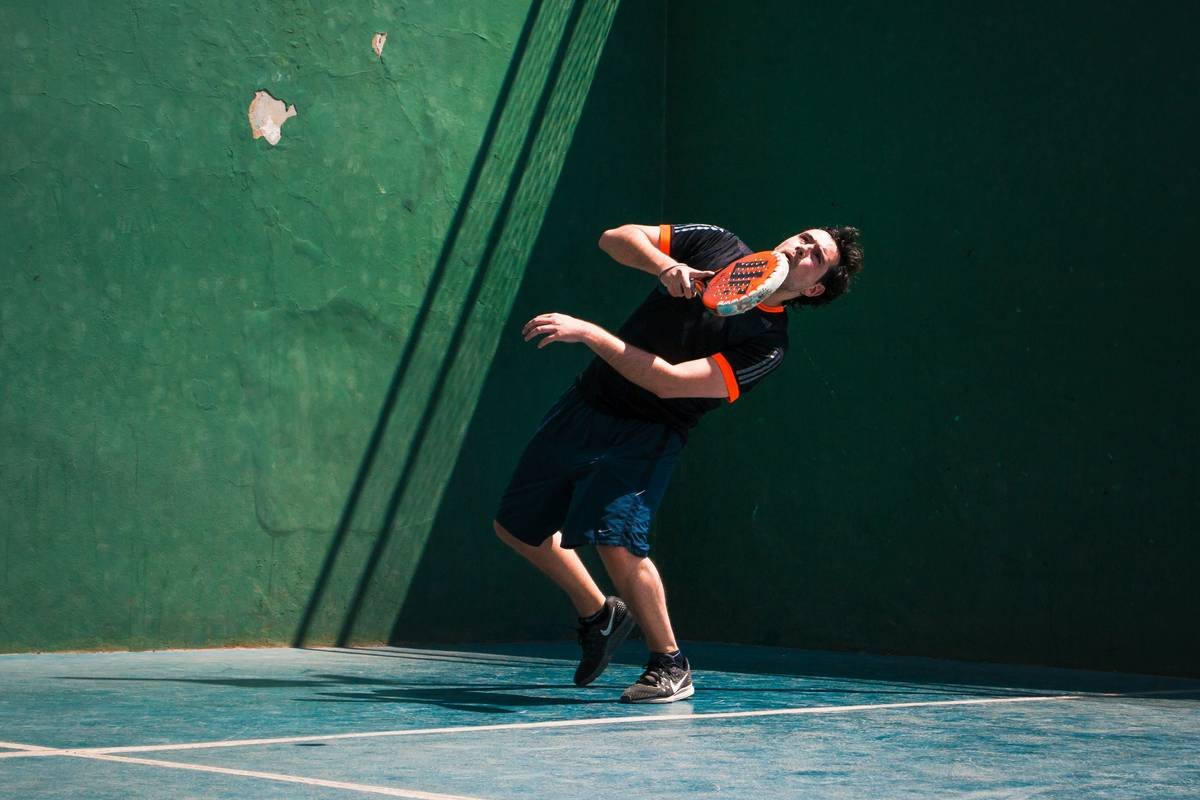
You’re pinned at the back wall. Opponents swarm the net. You flick up a lob—only to watch it die mid-air or slam into the glass. The problem? Your defensive lob height is either too low (an easy smash) or too high (a slow, predictable arc). And that split-second miscalculation costs you the point. But what if your lob wasn’t just a survival shot—but a weapon?
Why Standard Defensive Lob Advice Fails
Coaches say “hit it deep” or “get it high.” Simple. Clean. Wrong. Because padel isn’t tennis—and wall physics change everything. A textbook tennis lob floats beautifully over baseline players. In padel? That same arc hangs like a piñata for net-rushers.
The real issue isn’t technique alone. It’s trajectory calibration. Too many players focus on power or spin without adjusting for court compression, wind resistance near the glass, and opponent positioning. And they never account for bounce-back off the back wall—which can turn a “safe” lob into a setup for your rival’s overhead winner.
How to Execute the Perfect Defensive Lob Height
Forget “high” or “deep.” Think strategic apex. Your goal: force opponents to retreat while minimizing their time window to attack. Here’s how.
Step 1: Read the Net Pressure
If both opponents are glued to the net, your lob must clear their rackets by at least 5–6 feet—but not so high it gives them time to reposition. Aim for an apex just below the ceiling lights (roughly 12–14 feet in most clubs).
Step 2: Adjust for Wall Interaction
Hitting off the back wall? Reduce height slightly. The wall adds natural lift. Overcompensating creates a lazy, descending ball—prime smash bait. Instead, strike with topspin-slice hybrid to hug the wall upward, then dip sharply after the apex.
Step 3: Control Descent, Not Just Ascent
The magic happens on the way down. A well-executed defensive lob doesn’t just rise—it collapses into the baseline corner. That requires soft hands, relaxed wrist, and brushing up-and-across the ball (not under it).
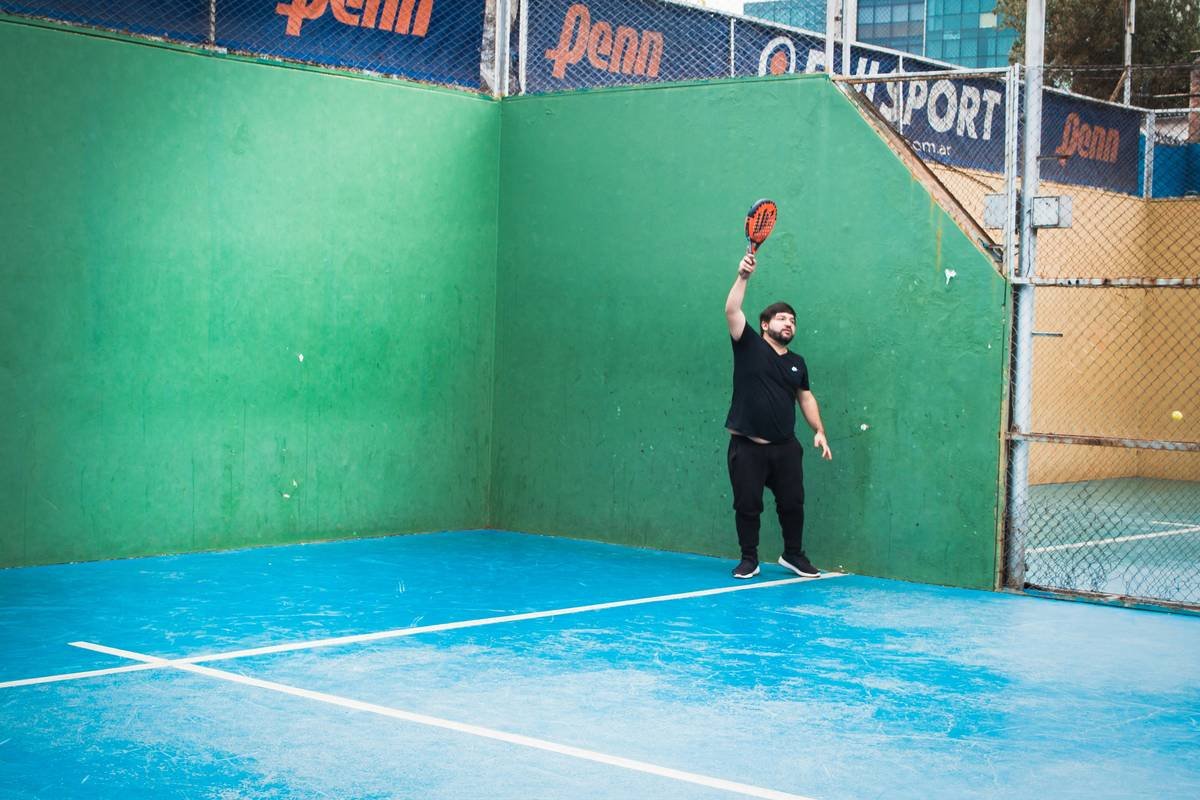
| Lob Type | Average Apex Height | Time to Land (sec) | Risk Level | Bounce Behavior |
|---|---|---|---|---|
| Panic Lob (Too High) | 18+ ft | 2.1+ | High | Deep but slow; invites smash |
| Flat Escape Lob | 8–10 ft | 1.3 | Critical | Dies quickly; often caught mid-air |
| Optimal Defensive Lob Height | 12–14 ft | 1.6–1.8 | Low-Medium | Dips late; hugs back corner |
The Industry Secret: The “Negative Time” Lob
Top Spanish padel pros don’t just hit lobs—they engineer discomfort. Their secret? What I call the “negative time” lob. It’s not about how high the ball goes, but how little reaction time it leaves opponents.
By combining moderate height (12–13 ft) with heavy sidespin and precise angle off the side wall, the ball appears manageable—then accelerates downward faster than expected. Opponents commit to a smash, only to whiff or pop it up. This works because human depth perception fails during rapid lateral descent near glass walls. And no, it’s not taught in academies. It’s born from thousands of hours reading micro-rebounds no camera catches.
FAQ
What is the ideal defensive lob height in padel?
Aim for an apex between 12–14 feet—high enough to clear net players, low enough to limit their smash preparation time.
Does defensive lob height change on indoor vs outdoor courts?
Yes. Wind resistance outdoors demands slightly higher apex (13–15 ft), while indoor courts favor tighter 12–13 ft arcs due to controlled airflow.
Can beginners use advanced defensive lob height tactics?
Start with consistent 12-ft clearance. Master contact point and spin before adding sidespin or wall angles. Height control comes before deception.