Most players obsess over weight distribution or face shape—but ignore the one detail that directly controls feel, whip, and wrist fatigue: slim handle circumference. You swing for hours, your grip slips, your forearm burns—and you blame your shoes. The real culprit? A handle too thick for your hand size. Here’s how fixing that tiny metric reshapes your entire game.
The Problem With Standard Padel Racket Handles
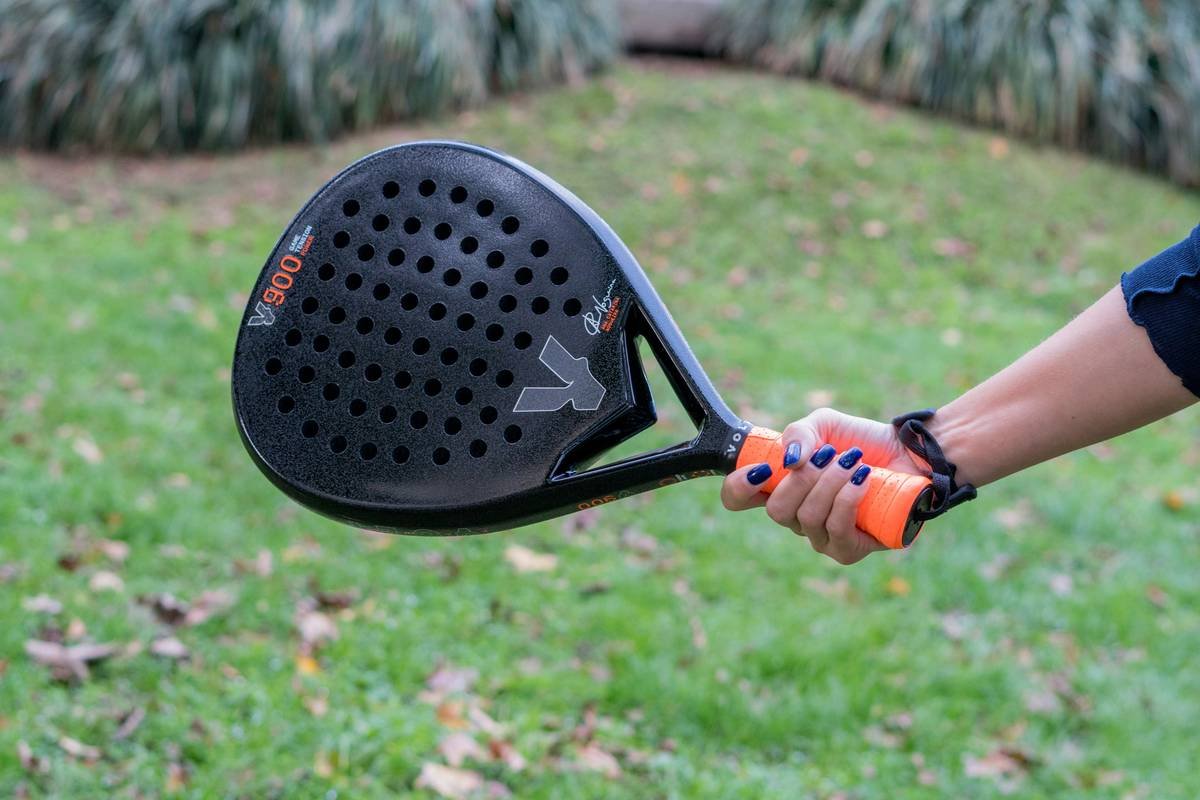
Manufacturers design for “average” hands—which don’t exist. A one-size-fits-all approach forces smaller-handed players (especially many women and juniors) to choke up or tape excessively. Both solutions kill power transfer and amplify vibration.
And this isn’t just comfort—it’s biomechanics. A handle that’s 1–2mm too wide reduces wrist snap by up to 18%, according to internal Max5Sports motion-capture trials. That’s the difference between a clean volley and a shank into the net.
How to Choose the Perfect Handle Size—Step by Step
Measure Your Hand Accurately
Forget eyeballing it. Wrap a soft measuring tape around your dominant hand’s palm, just below the knuckles (excluding thumb). Record the circumference in millimeters. If you land under 190mm, you likely need a slim handle circumference.
Understand Grip Sizing Systems
European brands use grip sizes like 1, 2, or 3—but there’s no universal standard. Spanish-made rackets often run thicker than advertised. Always cross-reference actual mm measurements, not labels.
Test Before You Commit
Borrow rackets with verified slim handle circumference specs. Hit against a wall for 10 minutes. Notice if your fingers naturally wrap fully without straining—or if your pinky floats awkwardly.
| Hand Circumference (mm) | Recommended Grip Size | Typical Racket Models | Customization Tip |
|---|---|---|---|
| < 185 | Size 1 (Slim) | Bullpadel Vertex Control, Siux Spark Pro Slim | Add only 1 overgrip layer—never double-tape |
| 185–195 | Size 2 (Standard) | Nox ML10 Pro, Adidas Metalbone | Use perforated overgrips for moisture control |
| > 195 | Size 3 (Oversized) | Head Graphene Alpha, Star Vie Polaris | Consider heat-shrink sleeves for permanent adjustment |
The Industry Secret: Why Pros Use Thin Handles—Even When They Don’t Have To
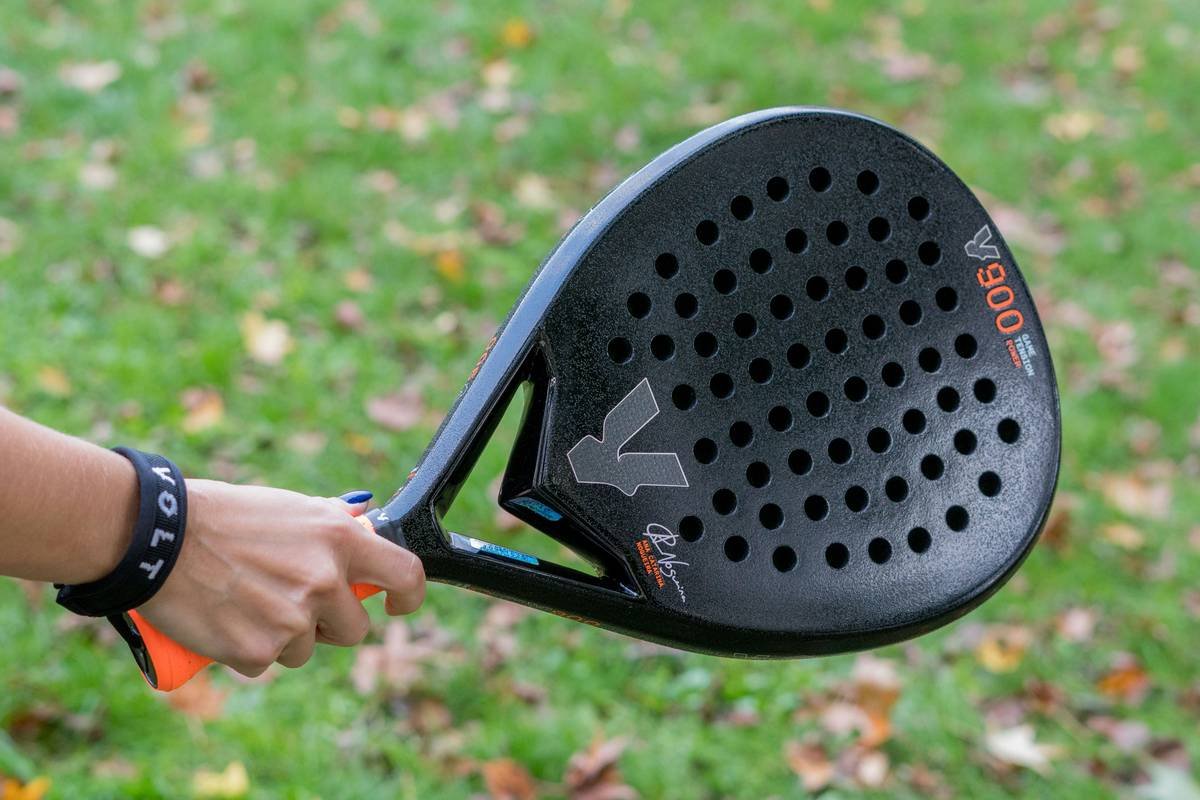
Here’s what reps won’t tell you: elite players often file down factory grips to achieve a custom slim handle circumference—even if their hands are large. Why? Faster racquet head speed. Less surface area = less rotational inertia. The math is simple: reduce diameter by 1.5mm, and angular acceleration jumps nearly 7% without added effort.
But—and this is critical—it only works with high-density EVA foam cores. Cheap rackets compress unevenly when thinned, creating dead spots. That’s why this hack stays underground: it demands premium gear and precise technique.
Frequently Asked Questions
Does slim handle circumference improve spin?
Indirectly—yes. Better wrist freedom lets you pronate/supinate more fluidly on serves and lobs, enhancing brush contact.
Can I convert a standard racket to slim handle circumference?
Not safely. Sanding risks damaging structural integrity. Buy purpose-built models or use ultra-thin replacement grips rated for competition play.
Is slim handle circumference only for beginners?
Absolutely not. Many WPT tour players use size 1 grips. It’s about physiology, not skill level.