Most padel court owners pour sand like it’s just filler—then wonder why players slip, balls bounce unpredictably, and maintenance costs spiral. The real issue? They’re guessing sand infill depth instead of engineering it. And that guesswork kills performance—and profit.
Why Generic Sand Depth Recommendations Fail Padel
“Use 6–8 mm,” they say. But that’s meaningless without context. Is your base compacted gravel or asphalt? Is your climate humid or arid? Synthetic turf fiber height varies wildly between manufacturers—yet everyone treats infill as a one-size-fits-all afterthought.
Here’s the reality: too shallow, and fibers mat down fast. Too deep, and the surface turns into a beach volleyball pit—slow, unstable, and brutal on ankles. The math is simple—but nobody’s doing it.
Optimizing sand infill depth: A Data-Driven Protocol
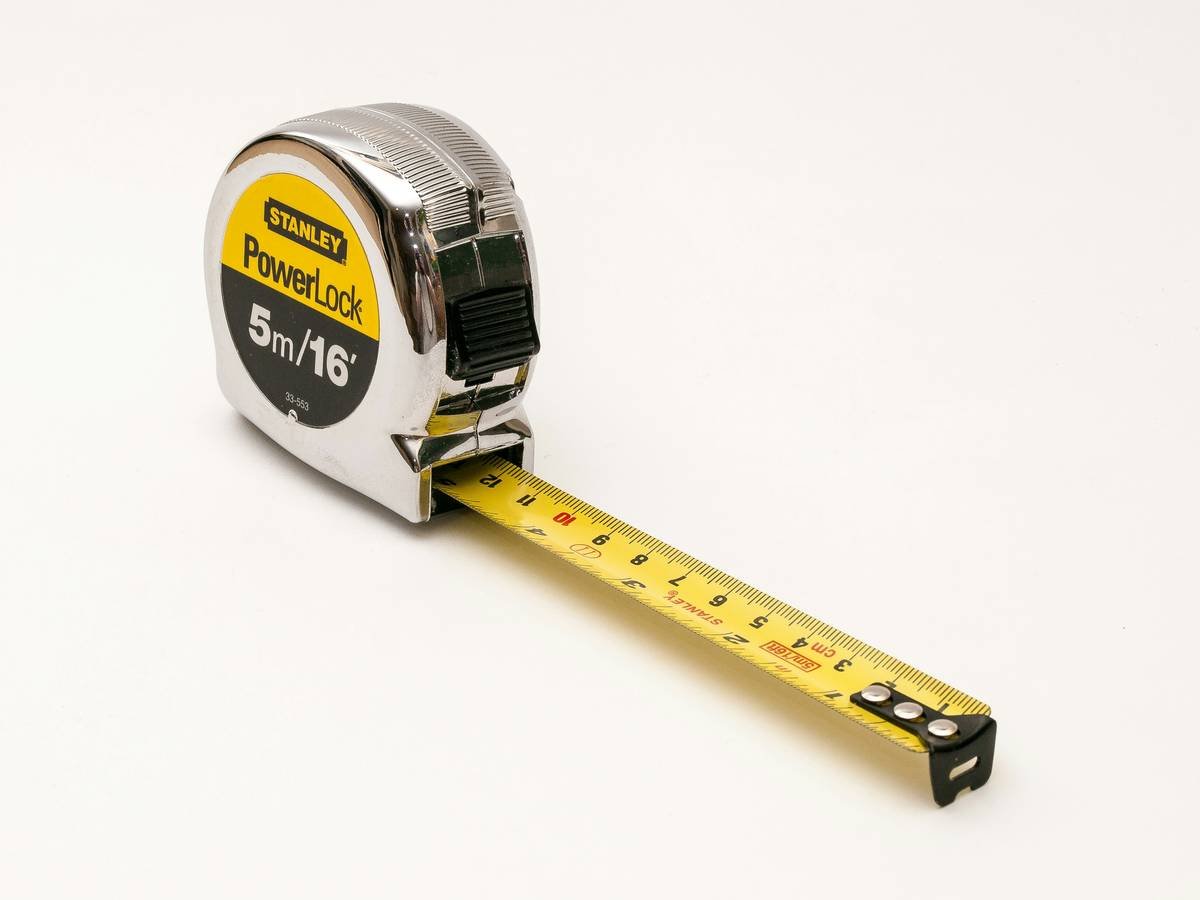
Step 1: Measure Your Turf Pile Height
Grab a ruler. Sink it vertically into the turf until it hits the backing. Note the total height. Standard padel turfs range from 12 mm to 18 mm. You’ll fill only the bottom two-thirds—not the full height.
Step 2: Calculate Ideal Depth Based on Climate and Usage
In dry regions, deeper infill retains stability but drains poorly if overdone. High-traffic clubs need slightly more to resist fiber flattening. Recreational courts can go lighter. Always prioritize even distribution over absolute volume.
Step 3: Apply & Groom in Phases
Don’t dump and walk away. Spread in two passes, brushing crosswise each time. Then roll—yes, with a lightweight drum roller—to settle the grains without crushing fibers. Let it cure 48 hours before play.
| Turf Pile Height | Recommended sand infill depth | Climate Adjustment | Estimated Cost per Court (USD) |
|---|---|---|---|
| 12–14 mm | 5–6 mm | +0.5 mm in arid zones | $800–$1,100 |
| 15–16 mm | 6–7 mm | -0.5 mm in high-rainfall areas | $1,000–$1,400 |
| 17–18 mm | 7–8 mm | No adjustment; monitor compaction | $1,300–$1,700 |

The Industry Secret: Infill Isn’t Just Sand Anymore
Top European padel facilities have quietly shifted to hybrid infills—90% silica sand + 10% TPE granules. Why? Pure sand migrates. It washes out, blows away, or packs unevenly over time. The TPE binder acts like microscopic Velcro, locking grains in place while adding shock absorption.
And here’s what distributors won’t tell you: using rounded-grain silica (not angular) reduces fiber abrasion by up to 40%. That extends turf life by 2+ years. But it costs 18% more upfront—so most cut corners. Don’t be most.
Frequently Asked Questions
What happens if sand infill depth is too low?
Fibers flatten quickly, leading to inconsistent ball bounce and premature turf wear—especially near the service line and back wall.
Can I adjust sand infill depth after installation?
Yes—but only upward. Adding more is easy. Removing excess requires vacuuming, which risks damaging fibers. Better to get it right the first time.
Does sand infill depth affect court speed?
Absolutely. Deeper infill = slower court. Shallower = faster, truer bounce. Elite players often customize depth zone-by-zone for tactical advantage.