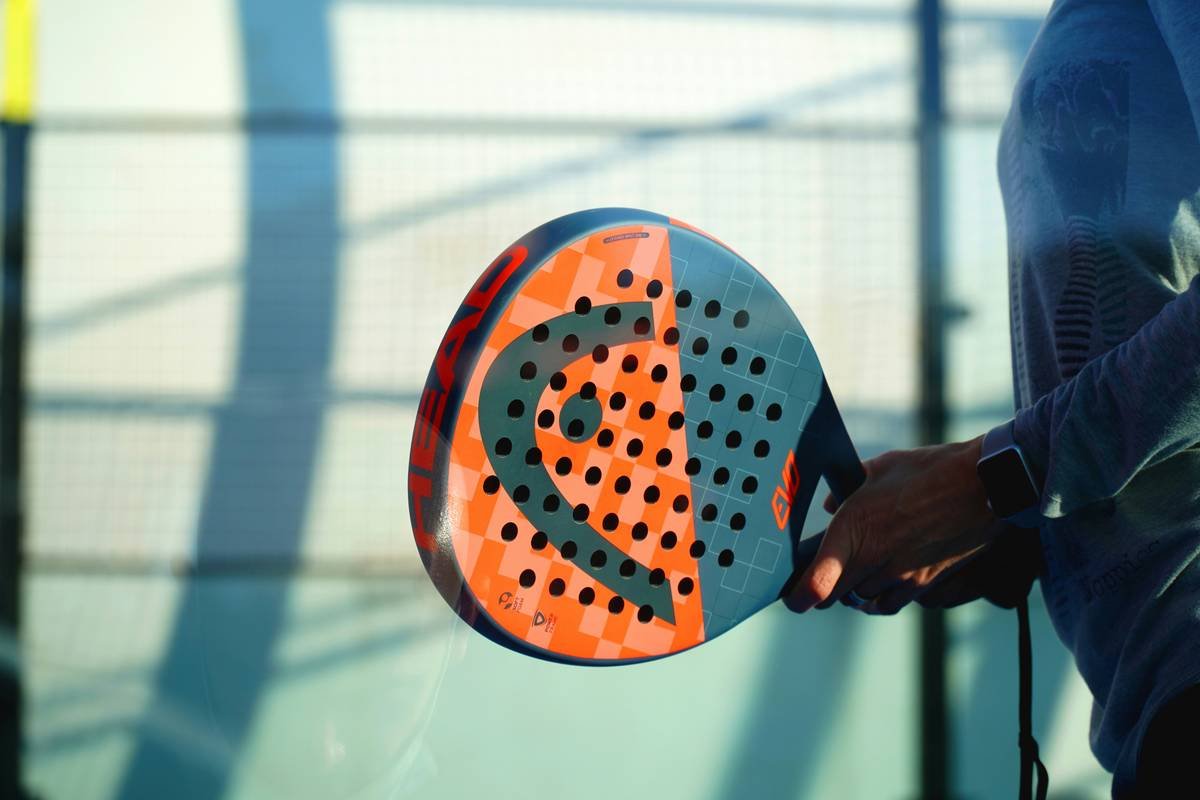
You just bought a “premium” padel racket online—it looked legit, the price was too good to pass up. But after your first swing, something feels off. The balance is weird. The sound is hollow. You’re not imagining it. Counterfeit rackets flood the market, and they don’t just waste your money—they sabotage your game. Here’s how to spot fake padel rackets before you get duped.
Why Most Buyers Get Tricked (And Why Brand Logos Aren’t Enough)
Counterfeiters have gotten frighteningly good. They replicate logos, colorways, even serial numbers—down to the millimeter. And yet, the racket fails under pressure. Literally. The core delaminates. The frame cracks on a drop shot. That’s because fakes mimic aesthetics, not engineering.
Official brands test carbon fiber layups for hundreds of hours. Fakes? They slap resin over cheap fiberglass and call it “pro-grade.” You won’t catch that by squinting at a sticker. Real authentication lives in the materials, construction, and supply chain—not just the surface.
How to Spot Fake Padel Rackets: A Field-Tested Checklist
Forget trusting the seller’s word or the product photo. Arm yourself with these real-world verification steps—tested across dozens of seized counterfeit units and verified retail samples.
Inspect the Grip Tape and Butt Cap
Authentic rackets use branded grip tape with consistent texture and precise logo alignment. Fakes often have generic, slippery tape—or worse, mismatched colors. The butt cap should snap firmly into place; counterfeits frequently wobble or pop out mid-rally.
Check Weight Distribution and Balance Point
Use a ruler and your finger. Find the racket’s balance point. Compare it to the manufacturer’s spec sheet (yes, look it up). Fake rackets are usually heavier overall—but paradoxically, feel head-light because weight is crudely added to the handle, not engineered into the frame.
Verify the Serial Number and QR Code
Most premium brands embed unique serials near the throat or handle base. Scan the QR code—it should redirect to an official brand page showing model details, not a Shopify store or broken link. No serial? Red flag. Duplicate serial? Guaranteed fake.
Examine Surface Finish and Mold Lines
Run your fingernail along the edge of the frame. Authentic rackets have smooth, seamless mold lines. Fakes often show rough ridges or uneven paint pooling—signs of rushed, low-pressure molding. Also: genuine matte finishes feel velvety, not chalky.

| Verification Method | Authentic Racket | Fake Racket | Reliability Score |
|---|---|---|---|
| Serial/QR Verification | Links to official brand database | Broken link, generic page, or no code | High |
| Grip & Butt Cap | Branded, snug fit, consistent texture | Generic, loose, mismatched colors | Medium |
| Balance Point | Matches spec sheet (±2mm tolerance) | Off by 5mm+ or inconsistent between units | High |
| Surface Mold Lines | Smooth, invisible seams | Rough, raised, or jagged edges | Medium-High |
The Industry Secret: Where Fakes Really Come From (And Why Price Isn’t the Only Clue)
Here’s what brands won’t advertise: many counterfeits originate from *rejected factory batches*. Same molds, same materials—but failed quality control. Instead of scrapping them, middlemen divert these “B-goods” into gray markets, slap on fake authenticity stickers, and sell them as “overstock” or “clearance.”
That means you might hold a racket built in the same facility as the real deal—but without final testing, heat treatment, or string bed tension calibration. It looks identical. Plays like junk. And yes, some even carry legitimate-looking paperwork. Don’t assume “made in China” equals fake—but always demand proof of authorized distribution. Ask the seller: “Are you an official Max5Sports partner?” If they hesitate, walk away.
FAQ: Quick Answers to Burning Questions
Can fake padel rackets damage my arm?
Yes. Poor weight distribution and stiff, untested cores increase vibration transmission—raising risk of tennis elbow or wrist strain.
Do all fake rackets come from eBay or Amazon?
No. While third-party marketplaces are hotspots, Instagram resellers and “limited edition” pop-ups also peddle counterfeits. Always verify retailer authorization.
Is there a way to test authenticity at home without tools?
Tap the frame lightly with your knuckle. Authentic rackets produce a crisp, resonant tone. Fakes sound dull or overly metallic—like hitting plastic.