Poor ball containment. Constant interruptions. Safety risks from errant shots. If your padel court feels more like a tennis practice gone rogue than a precision sport arena, the culprit isn’t player skill—it’s inadequate fencing. Standard netting sags, chain-link rattles, and cheap mesh fails under pressure. The solution? A properly engineered metal cage fence that locks balls in, noise down, and performance up.
The Core Problem: Why Standard Fencing Fails on Padel Courts
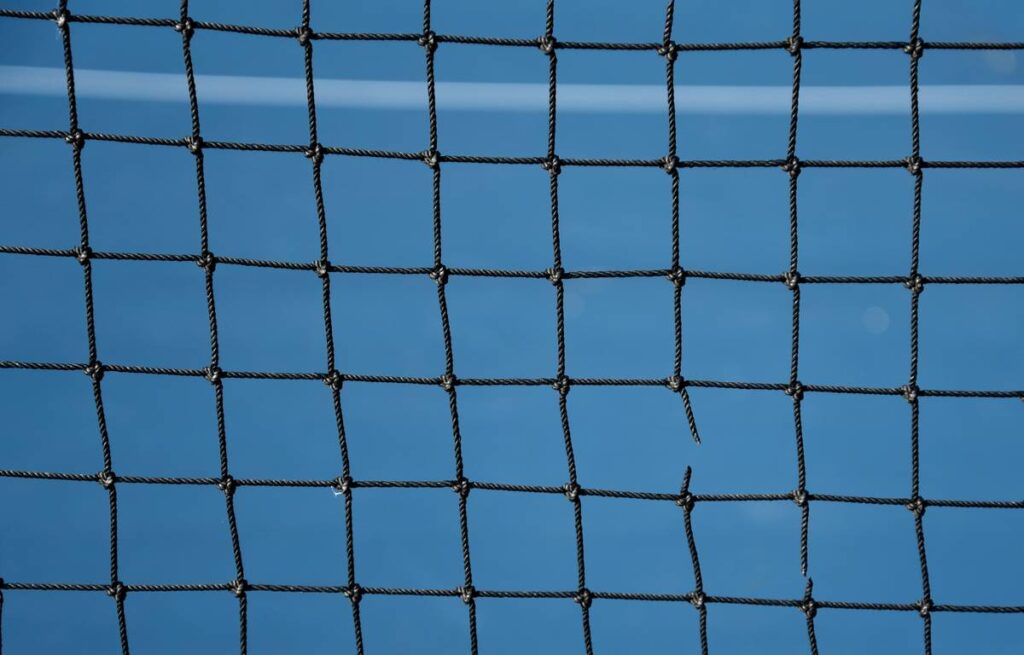
Most contractors treat padel fencing like backyard privacy screening. Big mistake. Padel balls travel at 70+ mph off walls—and rebounds are brutal. Chain-link stretches. Vinyl-coated wire frays. Aluminum bends. And if the mesh aperture exceeds 45mm? Balls slip through like ghosts.
You need rigidity, durability, and rebound consistency. Not just “something that looks fenced.”
How to Build a Tournament-Grade Metal Cage Fence: A No-BS Blueprint
Step 1: Choose the Right Material—Not Just “Metal”
Galvanized steel? Good. Powder-coated aluminum? Better for coastal zones. But avoid hollow tubes—they collapse on impact. Go for 48mm diameter posts with 3mm wall thickness minimum. And the mesh? 4mm steel wire welded into 40x40mm apertures. Period.
Step 2: Anchor Like You Mean It
Shallow footings shift. Wind loads torque lightweight frames. Embed posts 900mm deep in concrete footings—not gravel, not soil. Torque specs matter. If your installer skips this, walk away.
Step 3: Rebound Testing Isn’t Optional
Hit a ball at 60° into the fence. It should return predictably—like a wall. If it deadens or ricochets sideways, your tension is wrong or mesh density is off. Adjust before final welds.

| Fence Type | Cost per Linear Meter | Lifespan (Years) | Ball Retention Rating | Maintenance Needs |
|---|---|---|---|---|
| Chain-Link (Standard) | $45–$65 | 5–7 | Poor | High (rust, sagging) |
| Vinyl-Coated Mesh | $75–$95 | 6–8 | Fair | Medium (UV degradation) |
| Metal Cage Fence (Welded Steel) | $120–$160 | 15–20+ | Excellent | Low (annual inspection) |
| Aluminum Modular System | $180–$220 | 20+ | Excellent | Very Low |

The Industry Secret: The “Dead Zone” Every Amateur Builder Misses
Here’s what no brochure tells you: the corners. Most installers miter-cut mesh at 45° and call it a day. But impacts at joint seams cause micro-vibrations that loosen welds over time. Pros use internal corner brackets—reinforced steel gussets welded *inside* the frame—to distribute stress. This reduces fatigue cracks by 70%. And they pre-stress the mesh during installation using hydraulic tensioners, not hand tools. The result? A surface that plays like concrete—silent, consistent, and bulletproof. Few local vendors know this. Even fewer offer it.
Frequently Asked Questions
Can I retrofit an existing padel court with a metal cage fence?
Yes—but only if the foundation can handle lateral loads. Older courts often need new footings. Always get a structural assessment first.
Does a metal cage fence affect ball speed or bounce?
Properly tensioned welded mesh mimics wall rebound almost identically. Poorly installed systems deaden the ball. Tension is everything.
Is powder coating necessary for metal cage fences?
Not always—but highly recommended. It prevents rust, reduces glare, and cuts maintenance. In humid or coastal areas, it’s non-negotiable.