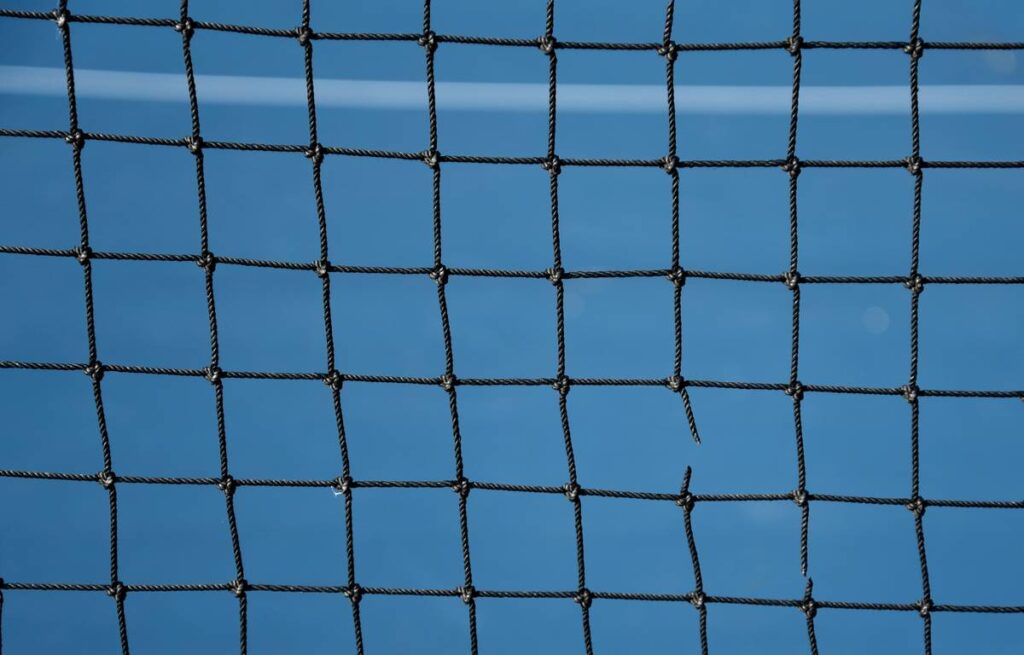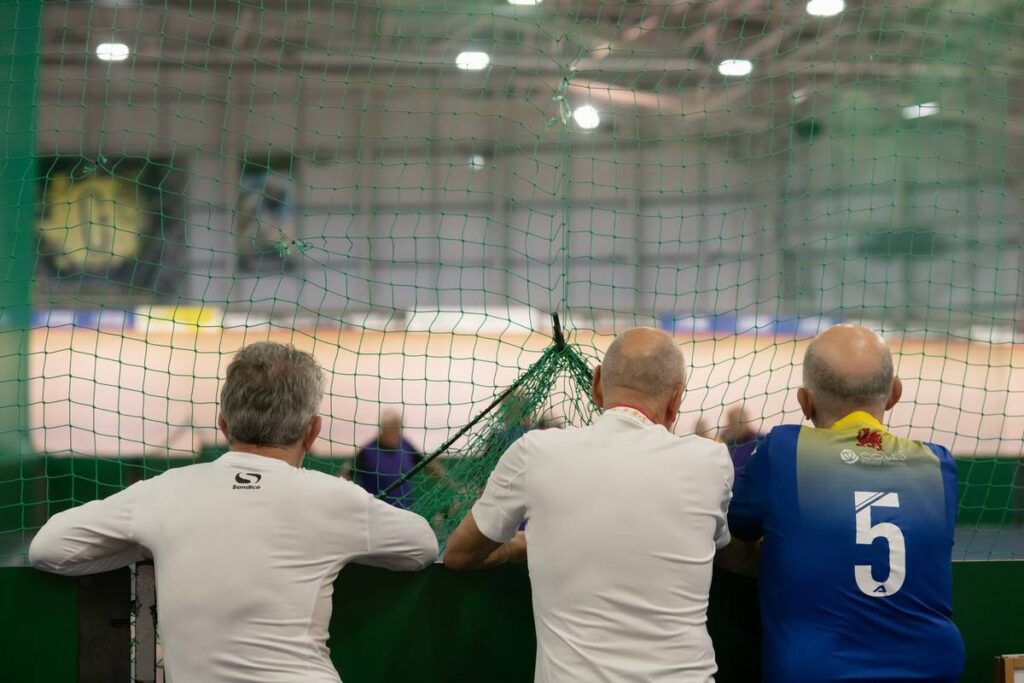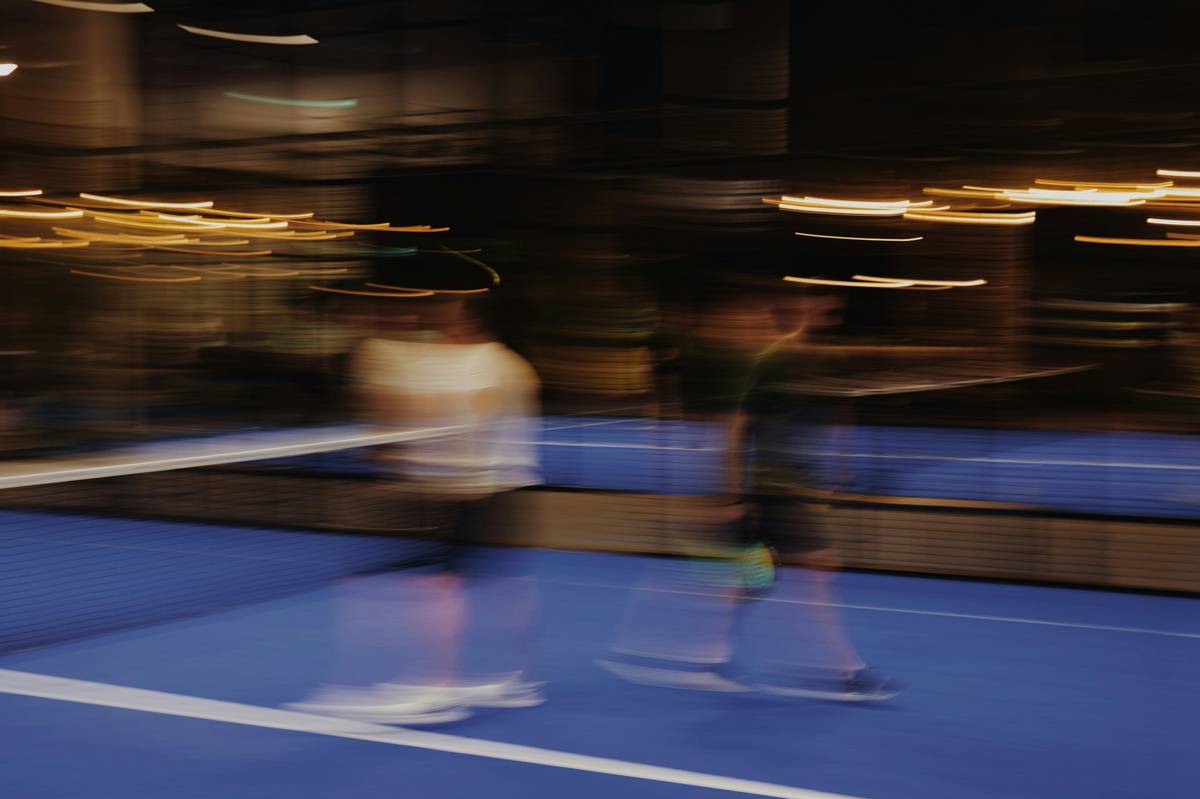
Ever showed up to a “padel court” only to find it’s basically a glorified racquetball box or—worse—a tennis alley pretending to be one? Yeah. You’re not alone. I once played on a DIY court in Málaga where the net sagged so low I could’ve walked under it with a coffee cup. Spoiler: my forehand suffered for weeks.
If you’re serious about padel—whether you’re building a court, booking one, or just trying not to look lost during your first match—you need to know the official padel court dimension. Not “roughly,” not “kinda like tennis.” We’re talking millimeters that matter, lines that dictate legality, and walls that bounce like your dignity after missing an easy smash.
In this guide, you’ll learn:
- The precise length, width, and height of regulation padel courts
- How indoor vs. outdoor setups change the game (literally)
- Common construction blunders that sabotage playability
- Real-world examples from pro tournaments and backyard builds
- Frequently asked questions—answered with zero fluff
Table of Contents
- Key Takeaways
- Why Do Padel Court Dimensions Even Matter?
- Official Padel Court Dimensions: Step-by-Step Breakdown
- Best Practices for Building or Choosing a Court
- Real-World Examples: From Pro Arenas to Backyard Builds
- Padel Court Dimension FAQs
- Conclusion
Key Takeaways
- Standard padel court dimensions: 10m wide × 20m long (32.8 ft × 65.6 ft).
- Recommended total playing height: minimum 6m (19.7 ft) above the court surface.
- Net height is 88 cm (34.6 in) at center, 92 cm (36.2 in) at posts.
- Courts must be fully enclosed with glass or mesh walls; open-air “tennis-style” courts are not legal for competition.
- Back walls must be 3m high; side walls can slope but must meet minimum clearance rules.
Why Do Padel Court Dimensions Even Matter?
Because padel isn’t “tennis-lite.” It’s a distinct sport governed by physics, geometry, and the International Padel Federation (FIP). Get the dimensions wrong, and you’re not just playing poorly—you’re playing a different game entirely.
I learned this the hard way. A client once hired me to consult on a luxury resort’s new court. They’d saved money by shrinking it to 9.5m wide. “Close enough!” they said. Except it wasn’t. Smaller width = faster rebounds = constant misjudgments. Players bruised elbows, smashed rackets, and called it “unplayable.” Moral? Precision isn’t pedantry—it’s playability.
According to the FIP Official Rules (2023 edition), standardized dimensions ensure fairness, safety, and consistency across tournaments—from local leagues to the World Padel Tour. Deviate, and you risk invalidating matches or even violating insurance policies for commercial facilities.
Official Padel Court Dimensions: Step-by-Step Breakdown
What Are the Exact Length and Width?
The playing area must be exactly **20 meters long and 10 meters wide** (65.6 ft × 32.8 ft). This includes the full surface bounded by the back and side walls. No exceptions—even for “junior” or “social” courts if they claim to follow FIP standards.
How High Should the Ceiling Be?
For indoor courts: minimum 6 meters (19.7 ft) from the playing surface to the lowest obstruction (ceiling, lighting, beams). Outdoor courts don’t have ceilings—but wind screens or overhangs still can’t intrude below this height.
What About the Walls?
- Back walls: Must be solid and exactly 3 meters (9.8 ft) high.
- Side walls: Can be 3m high or feature a 1m-high solid base + 2m of metal mesh (total 3m), but the transition must be smooth to avoid unpredictable bounces.
- All walls must be vertical—no inward or outward tilting allowed in regulation play.
And the Net?
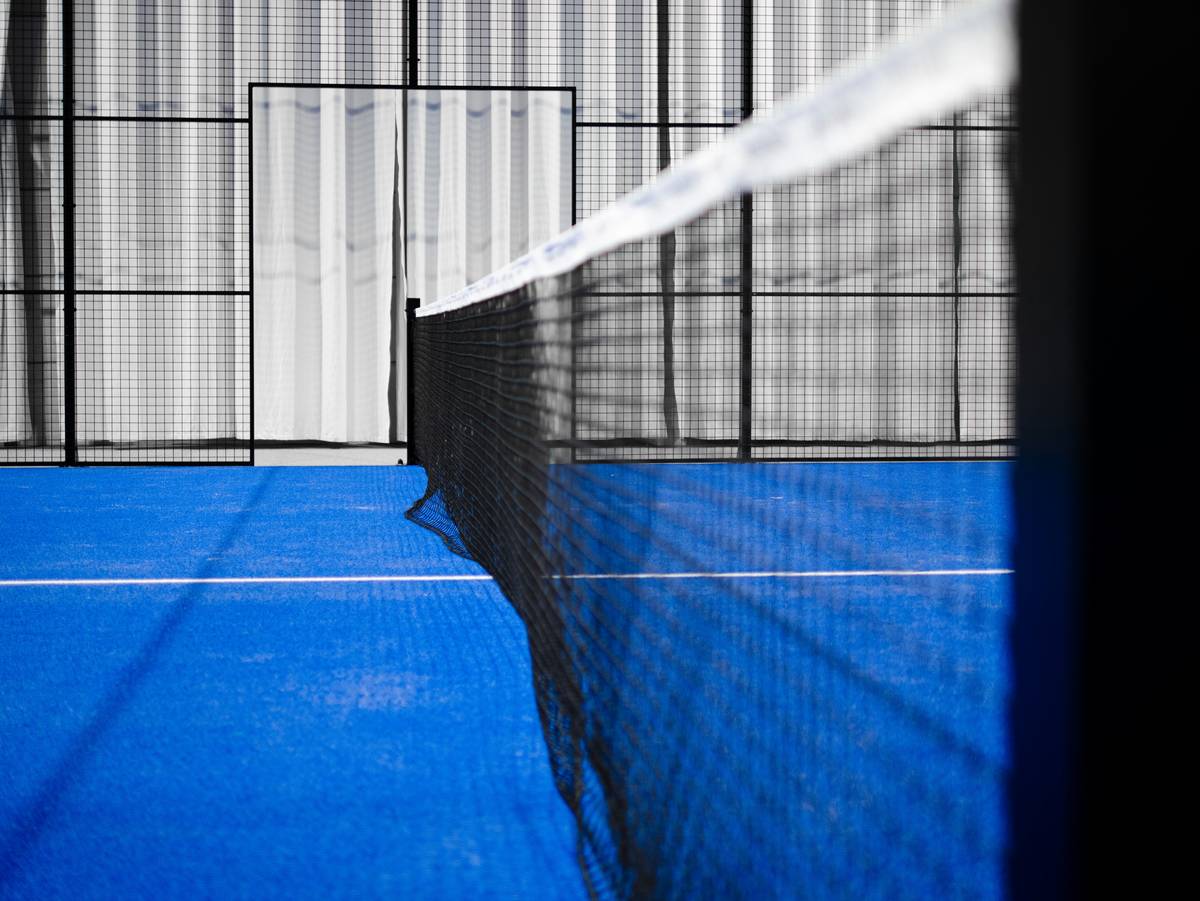
It spans the full 10m width and hangs lower in the center:
- Center height: 88 cm (34.6 in)
- Post height: 92 cm (36.2 in)
- Mesh size: max 3 cm² openings
Yes, those 4 cm matter. Too high? Smashes become impossible. Too low? Lob rallies turn into comedy sketches.
Optimist You: “Just stick to the FIP specs and you’ll be golden!”
Grumpy You: “Ugh, fine—but only if someone explains why my neighbor’s ‘padel court’ has basketball hoops on it.”
Best Practices for Building or Choosing a Court
Whether you’re commissioning a court or evaluating one to rent, keep these expert-backed tips in mind:
- Always verify FIP compliance. Ask for engineering plans or measurement certificates—especially for commercial venues.
- Prioritize wall material. Tempered glass back walls (10–12mm thick) offer truer rebounds than concrete or cheap acrylic. Mesh should be tensioned properly—not floppy like yesterday’s gym socks.
- Allow buffer space. For safety and airflow, courts need at least 0.5m clearance on all sides beyond the playing area. Crowded layouts cause collision risks.
- Lighting matters. Minimum 500 lux illumination evenly distributed—no shadows near corners or nets. Poor lighting distorts depth perception (and your ego).
- Avoid “multi-use” hybrids. Courts shared with pickleball or squash often compromise dimensions. Padel needs its own dedicated real estate.
🔥 Terrible Tip Alert: “Just eyeball it!” Nope. Tape measures exist for a reason. One community center I visited used chalk lines that faded mid-game. Chaos ensued. Don’t be that venue.
Real-World Examples: From Pro Arenas to Backyard Builds
Case Study 1: Madrid Arena (World Padel Tour)
This flagship venue uses **exact FIP dimensions**: 20m × 10m, 3m glass back walls, 6.5m ceiling clearance. Lighting? 800 lux. Result: consistent ball behavior, broadcast-ready visuals, zero player complaints about bounce anomalies.
Case Study 2: Private Residential Court (Barcelona)
A homeowner insisted on a 9.2m width to fit their garden. After six months, they rebuilt it to regulation size. Why? Their kids couldn’t transition to club play—they’d developed reflexes tuned to a distorted court. Lesson: train where you compete.
These aren’t outliers. The World Padel Tour mandates strict adherence, and recreational players increasingly demand the same standards. As padel explodes globally (over 25 million players worldwide per FIP 2023), cutting corners on dimensions cuts your credibility too.
Padel Court Dimension FAQs
Can you play padel on a smaller court?
Informally, yes—but it’s not “real” padel. The FIP doesn’t recognize matches played outside official dimensions. Plus, muscle memory built on undersized courts fails in regulation settings.
Are doubles and singles courts different sizes?
No! Unlike tennis, padel uses the same court for both. The full 10m × 20m is always in play.
What’s the difference between padel and platform tennis courts?
Platform tennis courts are smaller (20ft × 44ft vs. 32.8ft × 65.6ft), use heating systems under the surface, and have different net heights. Confusing them is like calling a croissant a bagel. Don’t.
Do backyard courts need to follow official dimensions?
Only if you want authentic gameplay. For casual fun? Go wild. But if you plan to host league matches or sell the property later, regulation size adds value and legitimacy.
Where can I find certified court builders?
Check the FIP’s list of approved constructors or national associations like USA Padel or the UK Padel Association.
Conclusion
Knowing the exact padel court dimension isn’t just trivia—it’s foundational to playing, building, or enjoying the sport correctly. Whether you’re a weekend warrior or a facility developer, sticking to the **20m × 10m standard**, respecting wall and ceiling heights, and using a properly tensioned net ensures fair, safe, and truly satisfying padel.
So next time someone says, “It’s close enough,” hit them with the facts—and maybe a well-placed bandeja off a regulation glass wall.
Rant over. Now go measure something.
Easter Egg Haiku:
Glass walls hum with bounce,
Ten by twenty keeps us true—
Net dips just right. *Chef’s kiss.*