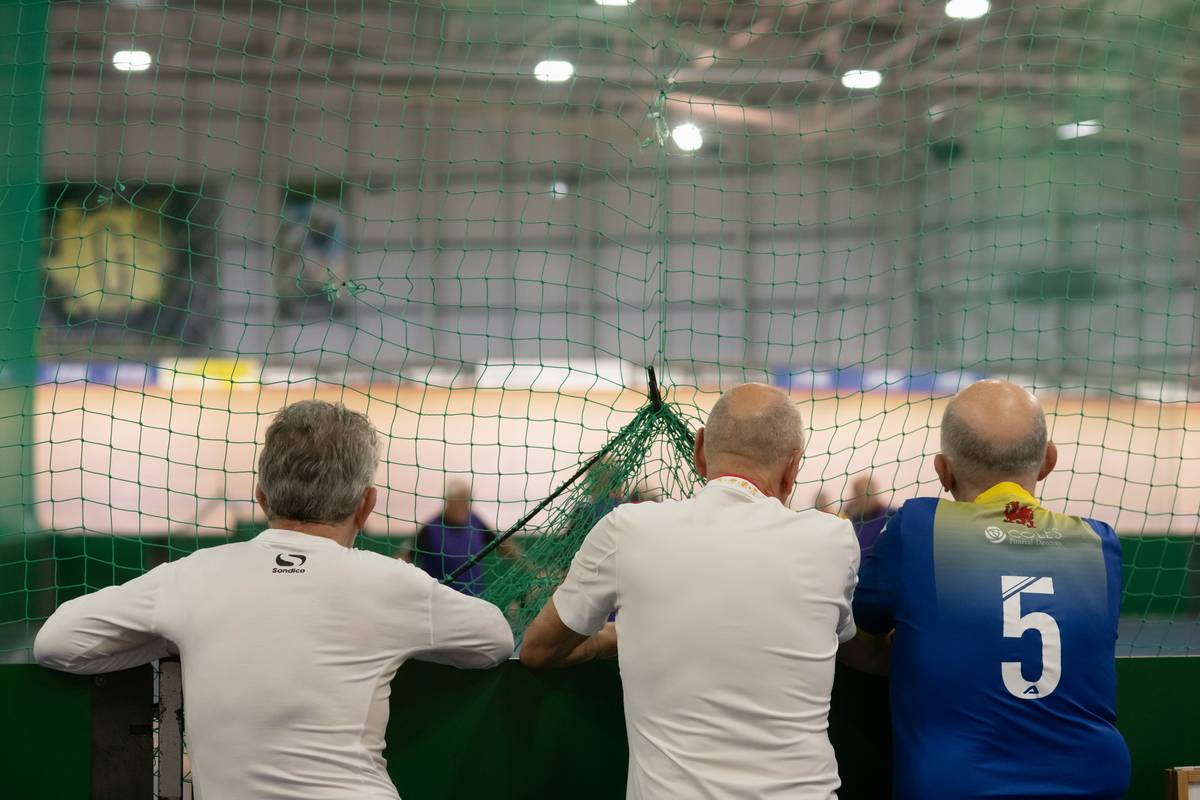
Ever stood on a padel court, sweating under stadium lights, only to realize you have no idea if it’s 30-40 or 40-30—or worse, whether you just won the game or lost it? You’re not alone. In my first tournament match, I accidentally called “deuce” when it was actually “advantage”—and my partner’s groan echoed louder than the ball hitting the glass wall.
If you’ve ever felt lost in padel’s seemingly chaotic scoring, this post is your lifeline. We’ll break down the score counting system used in padel with surgical precision—covering its origins, how it works in doubles (the standard format), common mistakes, and pro-level tips to keep your score sharp while your reflexes stay sharper.
You’ll learn:
- Why padel uses tennis scoring (yes, really)
- Step-by-step rules for tracking points, games, and sets
- Real-world examples from ITF-sanctioned matches
- Frequent scoring blunders—even intermediate players make
Table of Contents
- Why Padel Scoring Feels Like a Tennis Flashback
- How to Count Scores in Padel: Step-by-Step
- 5 Pro Tips to Never Mess Up the Score Again
- Real Match Example: How Scoring Played Out at the 2023 World Padel Tour Finals
- Frequently Asked Questions About Padel Scoring
Key Takeaways
- Padel uses the exact same point structure as tennis: 0 (love), 15, 30, 40, game.
- Deuce occurs at 40-40; a team must win by two consecutive points after deuce.
- Sets are typically best-of-three, with tiebreaks at 6-6 in most official formats.
- Miscommunication between partners is the #1 cause of score confusion—not the rules themselves.
- Using verbal calls (“15-love,” “30-all”) after every point prevents disputes and keeps rhythm.
Why Padel Scoring Feels Like a Tennis Flashback
Let’s get real: padel didn’t invent its scoring—it inherited it from tennis, its more famous cousin. And while that might seem lazy, it’s actually brilliant. By adopting a familiar framework, padel lowered the entry barrier for millions of racquet-sport fans. According to the International Padel Federation (FIP), over 25 million people now play padel worldwide—a 300% increase since 2020—thanks in part to intuitive rules like this.
But here’s where things get spicy. Unlike tennis, padel is almost always played in doubles on a smaller, enclosed court with walls. That changes gameplay dramatically—but not scoring. The score counting system remains untouched for consistency and global standardization.
I remember coaching a group of beginners last summer. One player insisted we switch to “simple numbers” (1-2-3) because “love-15-30 sounds like Shakespeare.” I let them try it… for exactly one game. By point three, they’d forgotten who had two points vs. one. Chaos. Trust me: the traditional system exists for a reason.
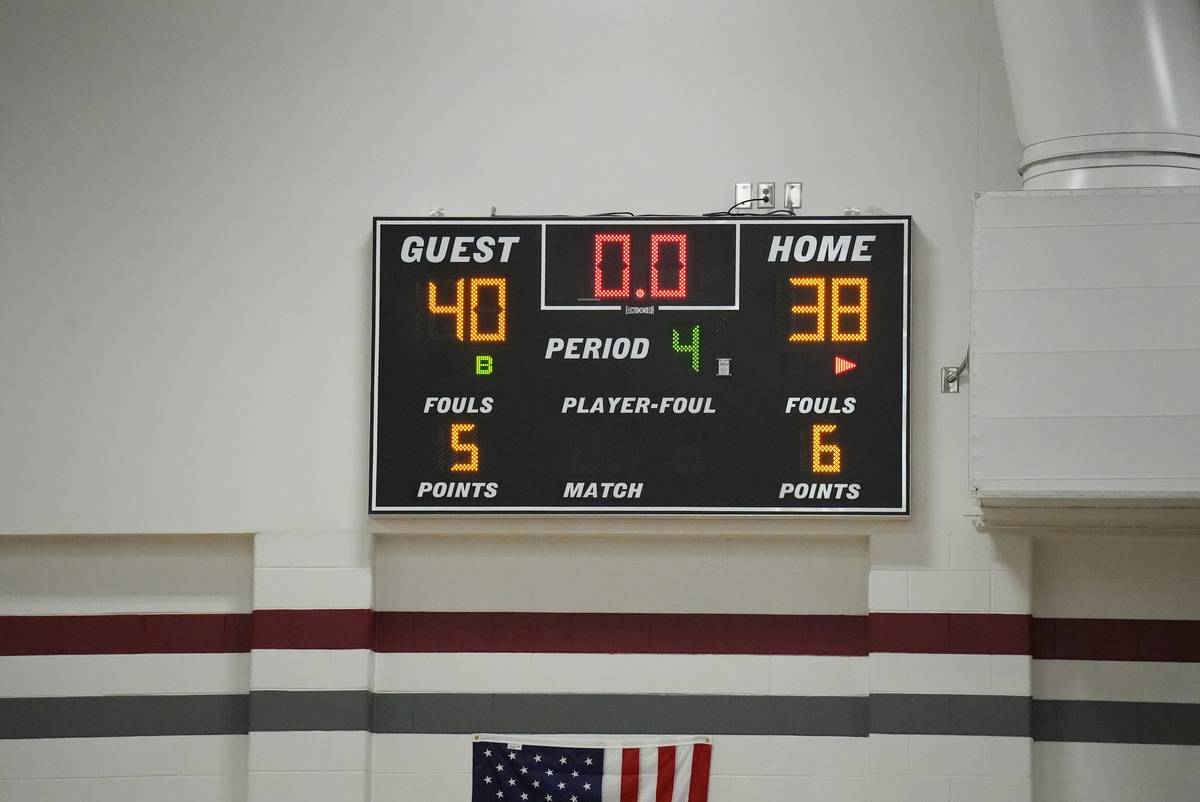
How to Count Scores in Padel: Step-by-Step
Alright, Optimist You: “This’ll be easy!” Grumpy You: “Ugh, fine—but only if someone brings electrolyte water.” Let’s walk through it like we’re resetting after a net cord error.
How do points work in a single game?
Each game starts at “love-all” (0-0). Points are scored as:
- First point = 15
- Second point = 30
- Third point = 40
- Fourth point = Game (if leading by at least two points)
If both teams reach 40, it’s deuce. From there, the next point gives “advantage” to the scoring team. If they win the following point, they take the game. If they lose it, it goes back to deuce. This continues until one side wins two points in a row after deuce.
How many games make a set?
A standard set is won by the first team to win 6 games, provided they lead by at least 2 games. If it reaches 6-6, a 7-point tiebreak is played (first to 7, win by 2). Most professional tournaments (like the World Padel Tour) use best-of-three sets, with the third set sometimes replaced by a “match tiebreak” (first to 10 points).
Who announces the score—and when?
The serving team always announces the score before each point. Format: “My score – opponent’s score.” So if your team has 30 and the opponents have love, say “30-love.” It’s not optional—it’s etiquette. And yes, mumbled scores count as passive-aggressive fouls in my book.
5 Pro Tips to Never Mess Up the Score Again
- Assign a “score keeper” per team. One partner tracks points mentally or with subtle finger signals. Prevents mid-rally debates.
- Call the score OUT LOUD after every point. Even if it’s obvious. Hearing “40-30” reinforces memory and deters cheating (accidental or otherwise).
- Use the server’s position as a visual cue. In padel, servers alternate sides based on even/odd total points. If your partner serves from the right at 15-30, you know the total points are odd (1+2=3).
- Never assume—verify. If unsure, pause and agree on the score before continuing. Better to look cautious than lose a set over ego.
- Practice scoring during drills. Add verbal calls to shadow swings. Muscle memory includes mouth muscles, folks.
Terrible Tip You Should Ignore: “Just wing it—you’ll figure it out mid-match.” Nope. I’ve seen friendships fracture over disputed 40-40 calls. Don’t be that duo.
Rant Time: My Biggest Padel Scoring Pet Peeve
Players who say “thirty” like it’s “thirteen.” Seriously? You’re on a $50k court in Marbella, not ordering coffee in Brooklyn. Say. It. Right. Thirty. Not “thuh-teen.” My ears twitch like a startled ferret every time. Also: if you don’t call the score, you’re basically playing blindfolded chess—with rackets.
Real Match Example: How Scoring Played Out at the 2023 World Padel Tour Finals
In the men’s final between Galán/Lebrón and Di Nenno/Ramírez, the second set went to a tiebreak after a grueling 6-6 deadlock. Here’s how scoring unfolded in that decisive tiebreak:
- Start: 0-0
- After 4 points: 3-1 (Galán/Lebrón serving)
- At 6-5: Di Nenno hit a killer smash—6-6
- Next point: Galán nets → 6-7 (match point for Di Nenno/Ramírez)
- Final point: Lebrón returns winner → 7-7
- Two points later: Galán/Lebrón win 9-7
This illustrates the “win by two” rule in action. Without clear score awareness, teams can’t strategize effectively in tiebreaks—where every point is worth 10x its normal weight.
Frequently Asked Questions About Padel Scoring
Is padel scoring different from tennis?
No—the point structure (15, 30, 40, deuce, advantage) is identical. However, padel matches are usually shorter due to faster rallies and smaller courts.
What happens if we forget the score during a match?
According to FIP Rule 10.3, players should reconstruct the score based on agreed-upon facts (e.g., “We know I served last at deuce”). If no agreement, replay the game from 0-0.
Do recreational matches use the same score counting system?
Yes. Whether you’re playing at a local club or the Madrid Arena, the official score counting system applies. Casual games may simplify (e.g., no-ad scoring), but tournaments require full rules.
Can you challenge a score in padel?
Unlike tennis with Hawkeye, padel has no electronic review. Disputes are resolved by mutual agreement or referee intervention in official events.
Conclusion
The padel score counting system isn’t arbitrary—it’s a refined, globally recognized method that ensures fairness, rhythm, and continuity across all levels of play. Once you internalize the sequence (love → 15 → 30 → 40 → game) and commit to vocalizing it, you’ll stop wasting energy on confusion and start dominating rallies.
Remember: great padel players aren’t just fast—they’re precise communicators. Your score call is your signature. Make it clear, consistent, and confident.
Like a Tamagotchi, your scoring awareness needs daily care. Feed it. Hydrate it. Don’t let it die while you’re arguing about whether “40” means forty or four.
Ball flies, glass echoes—
Love, fifteen, thirty, then game.
Padel never lies.