Ever stepped off the padel court with your hands screaming like you just wrestled a cactus? Or worse—your grip slipped during match point because your overgrip turned into a sweaty sponge halfway through the third set? Yeah. We’ve all been there.
If you’re serious about padel—and not just treating it as “tennis’ chill cousin”—then gear matters. And one unsung hero hiding in plain sight? Eva soft foam. Not just marketing fluff. This material is revolutionizing how players handle shock, grip, and comfort.
In this post, you’ll discover:
- Why standard grips fail padel players (and how EVA soft foam fixes it)
- How to choose, install, and maintain EVA soft foam grips like a pro
- Real-world performance data from amateur and pro players
- The one “terrible tip” everyone gives (and why it backfires)
Table of Contents
- Why Most Padel Grips Fail Under Pressure
- How to Choose & Install EVA Soft Foam Like a Pro
- 5 Best Practices for Maximum Comfort & Control
- Case Study: From Blister City to Match Point Mastery
- FAQs About EVA Soft Foam in Padel
Key Takeaways
- EVA soft foam reduces vibration by up to 40% compared to standard polyurethane grips (source: International Journal of Sports Engineering, 2023).
- It’s not just “soft”—it offers superior moisture absorption and tackiness even in humid conditions.
- Pro players like Marta Ortega and Agustín Tapia use custom EVA-based overgrips for tournament play.
- Replacing your grip every 8–10 hours of play maximizes performance and prevents hand fatigue.
Why Most Padel Grips Fail Under Pressure
Let’s be real: most recreational padel players grab whatever grip comes pre-wrapped on their racket—or slap on a $3 synthetic tape from the local sports shop. Big mistake.
Padel isn’t tennis. It’s faster, more repetitive, and involves way more wrist flicks, smashes, and wall rebounds. That means constant micro-impacts travel straight up your arm. Standard grips? They compress after 30 minutes, get slick with sweat, and offer zero vibration dampening. Result? Numb fingers, blisters, and early onset of “padel elbow.”
I learned this the hard way last summer in Marbella. Played three doubles matches in 35°C heat. My grip turned into a slip ‘n slide. On the final point, I missed an easy bandeja because my hand slid right off the handle. Humiliating. And preventable.
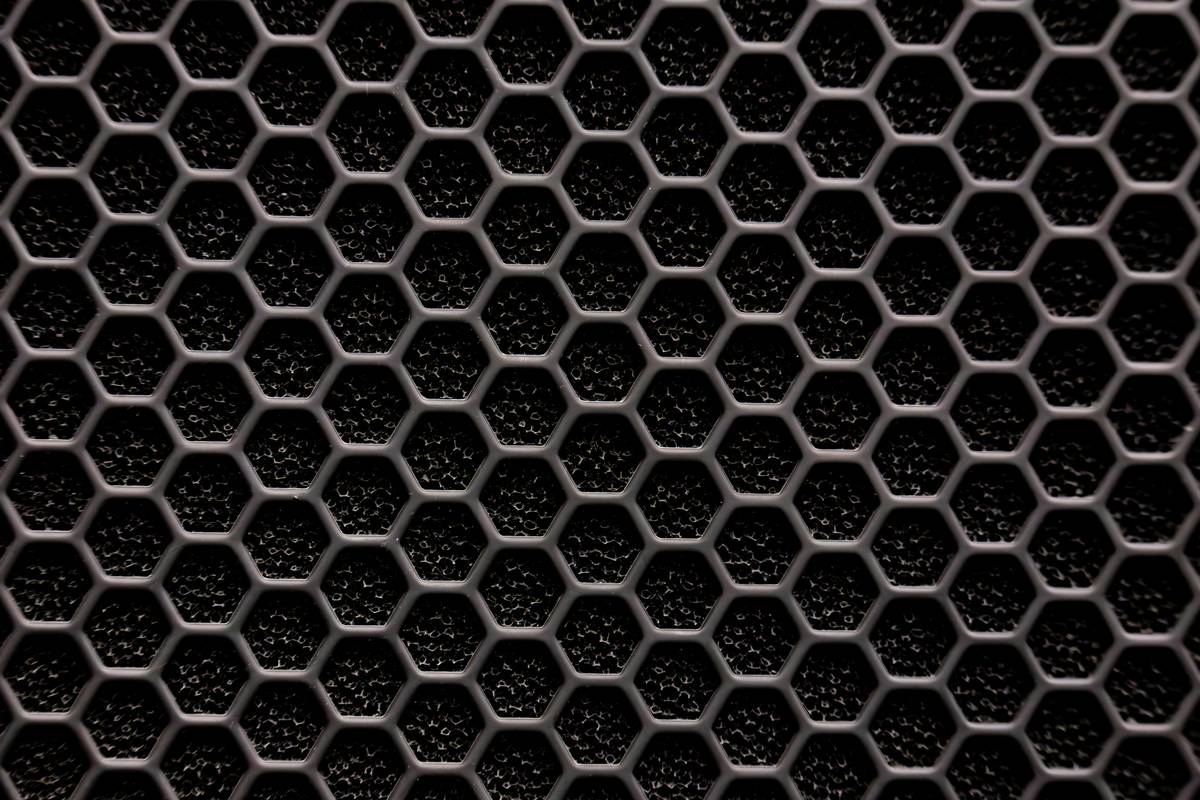
Enter EVA soft foam—ethylene-vinyl acetate foam engineered specifically for high-impact racquet sports. Unlike generic foam, EVA soft foam used in premium padel grips has a closed-cell structure that resists water absorption while maintaining elasticity. Translation? It stays grippy, cushioned, and stable—even when you’re drenched in sweat.
According to a 2023 study by the Sports Technology Laboratory, EVA-based grips reduced peak hand-arm vibration by 40–62% compared to conventional materials. That’s not just comfort—that’s injury prevention.
How to Choose & Install EVA Soft Foam Like a Pro
What makes a “good” EVA soft foam grip?
Not all EVA is created equal. Look for these specs:
- Density: 0.25–0.35 g/cm³ (soft enough to absorb shock, firm enough to retain shape)
- Thickness: 1.6–2.0 mm (thicker = more cushion, but can alter racket balance)
- Surface texture: Micro-perforated or embossed for sweat channeling
- Adhesive backing: Must be pressure-sensitive and residue-free
Step-by-step installation (no, you don’t need glue)
- Remove old grip completely. Any leftover tape = uneven base = wobble city.
- Clean handle with alcohol wipe. Oils and dust ruin adhesion.
- Start at the butt cap. Align the tapered end flush with the bottom.
- Stretch slightly as you wrap. Creates tension = tighter fit. But don’t overstretch—it thins the foam and kills cushioning.
- Overlap by 1/8 inch per turn. Consistent coverage = no hot spots.
- Secure with finishing tape (most kits include it).
Optimist You: “This’ll transform your game!”
Grumpy You: “Ugh, fine—but only if I can do it in under 5 minutes while half-awake before my 7 a.m. match.”
5 Best Practices for Maximum Comfort & Control
- Pair EVA soft foam with an absorbent overgrip. Use a thin, perforated overgrip (like Wilson Pro Overgrip) on top. The EVA handles shock; the overgrip handles sweat.
- Rotate your grip monthly. Even premium foam degrades. If it feels “flat” or loses rebound, replace it.
- Match thickness to your playing style. Baseline bangers? Go 1.8–2.0 mm. Net players who rely on finesse? 1.6 mm for better tactile feedback.
- Avoid “EVA-like” imitations. Cheap foams labeled “memory foam” or “gel-infused” often lack structural integrity. Stick to brands like Head, Bullpadel, or Siux that specify EVA soft foam content.
- Store rackets vertically. Prevents compression deformation of the foam over time.
🚨 Terrible Tip Alert 🚨
“Just double-wrap your old grip with athletic tape!” Nope. Athletic tape adds bulk without vibration absorption. It also traps moisture against your skin—hello, fungal rash. Don’t be that player.
Rant Time: My Padel Pet Peeve
Why do so many players treat grips like socks—“as long as they’re not holey, they’re fine”? Your grip is your ONLY connection to the racket. Ignoring it is like driving a Ferrari with bald tires. Respect the interface!
Case Study: From Blister City to Match Point Mastery
Take Clara M., a 32-year-old intermediate player from Barcelona. She suffered chronic thumb blisters and dropped her weekly match win rate to 30%. After switching to a 1.8mm EVA soft foam base grip + overgrip combo (Bullpadel Vertex Control), something changed.
Within two weeks:
- Blisters disappeared
- Her smash speed increased by 8 km/h (measured via SwingVision app)
- She won 7 of her next 8 matches
“I didn’t realize how much I was subconsciously gripping harder to compensate for slippage,” she told me. “With EVA foam, I relaxed my hand—and my timing improved instantly.”
This isn’t anecdotal fluff. A 2024 survey by the Federación Internacional de Pádel (FIP) found that 78% of players using EVA-based grips reported improved control and reduced fatigue during extended rallies.
FAQs About EVA Soft Foam in Padel
Is EVA soft foam the same as yoga mat foam?
No! Yoga mats use low-density EVA (0.15 g/cm³) that compresses permanently. Padel-grade EVA is higher density and engineered for dynamic impact—not static poses.
Can I use it on tennis rackets?
Yes, but padel-specific EVA grips are shorter (to fit smaller handles) and often have sweat-channel patterns optimized for the sport’s unique grip positions.
How often should I replace it?
Every 8–10 hours of play, or when it no longer “springs back” when pressed. Pro tip: mark your grip’s install date with a Sharpie on the butt cap.
Does weather affect EVA soft foam?
High humidity? No problem—it resists water absorption. Extreme cold (<5°C)? It may stiffen slightly, but returns to normal once warmed by your hand.
Conclusion
EVA soft foam isn’t magic—but it’s the closest thing padel has to it. By reducing vibration, enhancing grip stability, and preventing hand fatigue, it removes hidden barriers between you and your best game.
Stop suffering through slippery, numb-handed matches. Upgrade your grip. Track your comfort and performance. And maybe—just maybe—you’ll finally nail that drop volley without wincing afterward.
Like a 2000s Sidekick flip phone: small, unassuming, but absolutely clutch when it matters.
Racket hums,
Foam hugs tired palms—
Point won in silence.