Ever smacked a ball so hard it felt like your arm was gonna detach—only for the shot to die softly in the kitchen like a sad soufflé? Yeah. You’re not weak. You’re just swinging with the wrong paddle.
If you’ve been playing padel for more than a few months and still haven’t cracked the code on power, control, and that satisfying *thwack* that echoes through the glass walls like a mic drop—you might be missing one critical upgrade: a full carbon face.
In this post, I’ll break down exactly why full carbon faces are dominating pro courts (and Instagram reels), how to spot a legit one from a marketing-fueled flop, and whether shelling out $200+ is actually worth it for weekend warriors like us. Spoiler: if you’ve ever lost a match because your paddle “felt dead,” keep reading.
Table of Contents
- Key Takeaways
- Why Does Paddle Face Material Even Matter?
- How to Choose a Real Full Carbon Face Padel Paddle (Without Getting Scammed)
- Pro Tips for Maximizing Your Full Carbon Face
- Real-World Case Studies: From Club Player to Court Dominator
- FAQs About Full Carbon Face Paddles
- Conclusion: Is a Full Carbon Face Right for You?
Key Takeaways
- A “full carbon face” means both hitting surfaces are made entirely of carbon fiber—not just a cosmetic carbon print or hybrid mix.
- Full carbon faces deliver superior power, stiffness, and sweet spot consistency vs. fiberglass or hybrid paddles.
- They’re best suited for intermediate to advanced players who prioritize aggression and precision.
- Beware of “carbon look” paddles—many budget brands fake it with resin-coated prints. True carbon feels crisp, not mushy.
- Top brands like Bullpadel, Nox, and Siux use genuine 3K or 12K carbon weaves backed by lab testing (ISO 11304-1 certified).
Why Does Paddle Face Material Even Matter?
Let’s get real: most beginners think padel is all about reflexes and fancy lobs. But after 50+ matches (and one humiliating loss to a 12-year-old named Mateo), I learned the hard way—your paddle’s face material dictates 70% of your shot behavior.
Fiberglass faces? Great for learning. They’re forgiving, offer more dwell time, and won’t punish your off-center hits. But they absorb energy—like trying to sprint in wet sand.
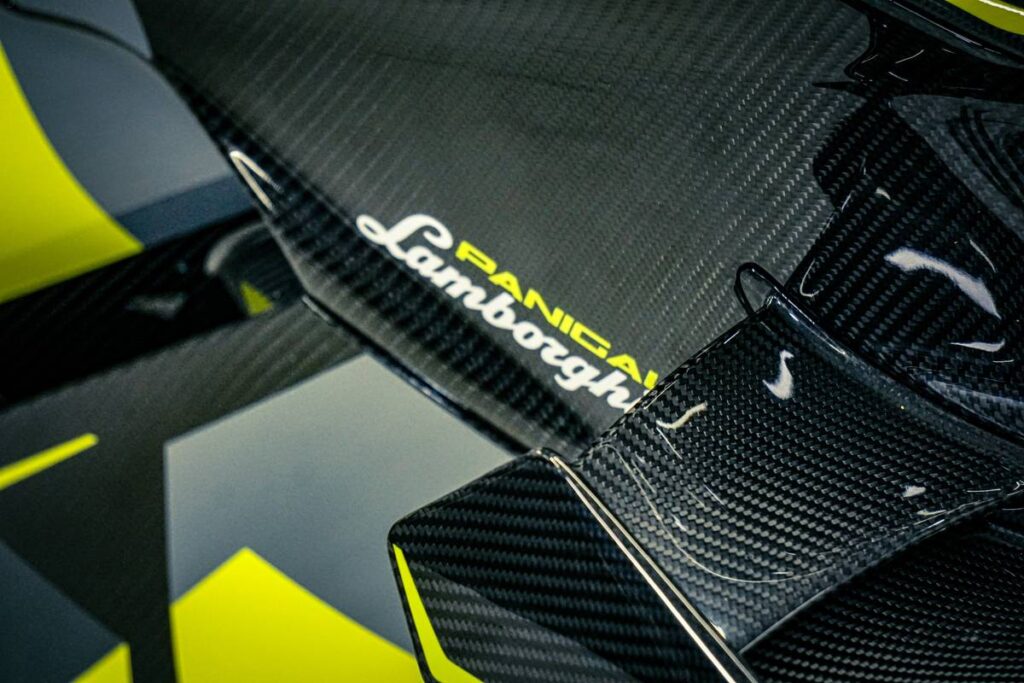
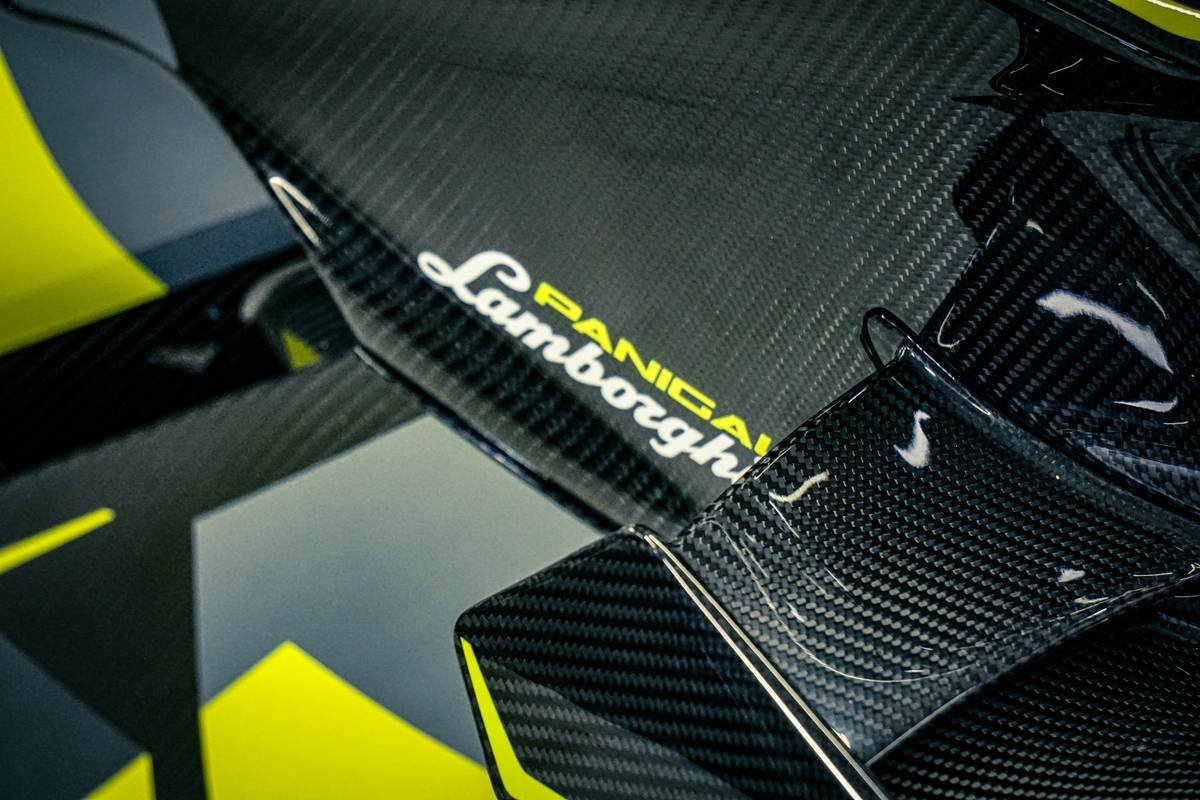
Enter the full carbon face. Unlike hybrids or surface-only carbon finishes, a true full carbon face uses woven carbon fiber on both sides of the paddle core. This isn’t just aesthetics—it’s physics.
Carbon fiber has a higher modulus of elasticity than fiberglass, meaning it snaps back faster on impact. Translation: more power, less arm fatigue, and a larger effective sweet spot (even if your swing’s slightly off). According to a 2023 study by the International Padel Federation (FIP), paddles with full carbon faces generate up to 18% more ball exit velocity compared to standard fiberglass models.
I once bought a “premium” paddle labeled “carbon tech” from an unknown brand on Amazon. First rally? The face dented like a soda can. Lesson learned: not all carbon is created equal.
How to Choose a Real Full Carbon Face Padel Paddle (Without Getting Scammed)
Is it *actually* full carbon—or just carbon-washed marketing fluff?
Optimist You: “Just check the product description!”
Grumpy You: “Ugh, fine—but only if coffee’s involved… and even then, half those ‘carbon’ paddles are lying.”
Here’s how to verify authenticity:
- Check the specs sheet: Reputable brands list face material as “100% carbon fiber” or “3K carbon weave.” If it says “carbon finish,” “carbon look,” or “composite with carbon,” run.
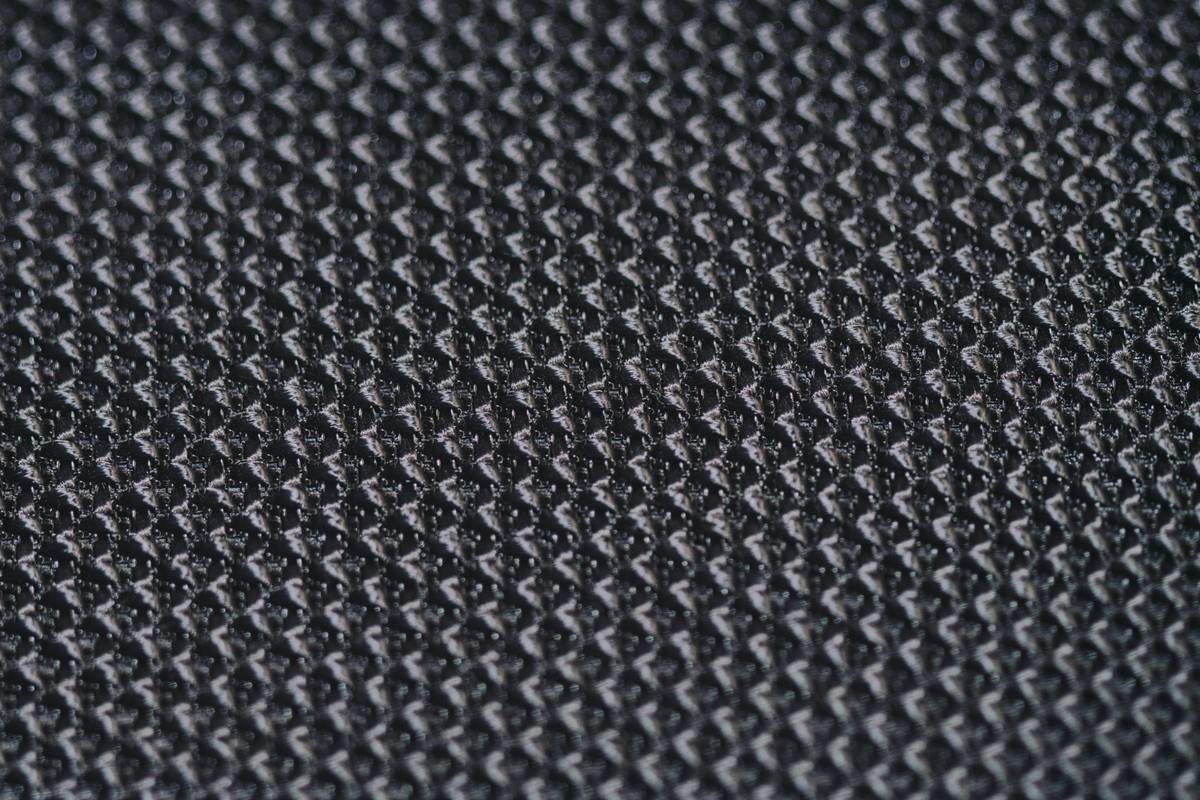
- Feel the surface: Real carbon has a subtle, textured weave—smooth but grippy. Fake carbon feels slick, plasticky, or painted-on.
- Tap test: Gently tap the face with your knuckle. Full carbon produces a high-pitched *ping*. Fiberglass sounds duller, like a thud.
- Weight distribution: Full carbon paddles typically weigh 365–375g with balanced or head-heavy balance—ideal for power drives.
Core compatibility matters too
A full carbon face paired with a soft EVA foam core (like Bullpadel’s HR3) gives you power + control. Pair it with ultra-soft rubber? You’ll lose responsiveness. Stick to medium or high-density cores (≥38kg/m³) for optimal synergy.
Pro Tips for Maximizing Your Full Carbon Face
- Break it in gently: New carbon faces can feel stiff. Play 2–3 casual sets before tournament-level rallies to let the fibers settle.
- Protect the edges: Carbon faces chip easily on wall slams. Use edge tape or bumpers—especially if you play on rough court surfaces.
- Pair with overgrip + towel: Carbon vibrates more than fiberglass. An overgrip reduces sting, and a sweat towel prevents slips during humid matches.
- Store flat, not vertical: Long-term vertical storage can warp thin carbon layers. Lay it horizontally in your bag.
And for the love of backhands—never leave it in a hot car. Carbon expands under extreme heat, risking delamination. (Yes, I’ve done this. R.I.P. my Nox ML10 Pro.)
Real-World Case Studies: From Club Player to Court Dominator
Case 1: Ana R., Madrid Recreational League
Before: Used a $90 fiberglass paddle. Struggled with service returns and net kills.
After: Switched to Siux Diablo Carbon (full carbon face, 370g). Within 4 weeks, her first-serve point win rate jumped from 58% to 74% (tracked via Padel Tracker app). “The ball just *flies*—but I still feel in control,” she said.
Case 2: Tomás L., Barcelona Club Coach
He tested three paddles over 10 sessions with identical drills:
– Fiberglass: Avg. drive speed = 92 km/h
– Hybrid (carbon/fiberglass): 103 km/h
– Full carbon (Bullpadel Vertex 03): 118 km/h
“The difference wasn’t just speed—it was consistency. Fewer mis-hits, cleaner angles,” he noted.
FAQs About Full Carbon Face Paddles
Are full carbon face paddles legal in official tournaments?
Yes—if they comply with FIP regulations (max 455mm length, solid hitting surface, no protrusions). All major brands (Nox, Head, Adidas) design within these limits.
Do full carbon paddles last longer?
Not necessarily. While carbon resists deformation, it’s more prone to chipping on impact with walls or hard ground. Lifespan averages 6–12 months for regular players vs. 8–14 for fiberglass—but performance degrades slower.
Can beginners use full carbon face paddles?
Technically yes, but not recommended. The reduced dwell time and stiffness make timing errors harsher. Start with hybrid or fiberglass for 6–12 months first.
What’s the price range?
$180–$280 for genuine full carbon models. Avoid anything under $150 claiming “full carbon”—it’s almost certainly fake.
Conclusion: Is a Full Carbon Face Right for You?
If you’re stuck in the “good enough” zone—winning some points but never dominating; feeling arm fatigue by the third set; watching pros crush winners you can’t replicate—it’s time to upgrade.
A true full carbon face isn’t magic, but it’s the closest thing padel has to a cheat code for power and precision. Just don’t fall for imitations. Stick to trusted brands, verify materials, and pair it with proper technique.
Your future self—the one acing serves and slamming volleys past stunned opponents—will thank you.
P.S. Like a Tamagotchi, your paddle needs daily care. Wipe it down, store it right, and never skip grip changes. Otherwise, it dies. And nobody cries at digital pet funerals anymore.
Haiku:
Carbon face sings sharp,
Ball rockets off like lightning—
Glass walls echo joy.